

Italian Office Furniture for Designers & Architects: A Practical Guide to Choosing the Right Executive Workspace
Italian Office Furniture for Designers & Architects is more than a style choice. It is a service-led furnishing solution that combines layout planning, product selection, material coordination, custom sizing, delivery, and installation to create workspaces that feel refined and function properly every day. For design practices, architecture studios, director offices, boardrooms, reception areas, and client-facing meeting spaces, the furniture has to support both visual standards and practical use.
When clients search for Italian office furniture, they are often looking for a balance of craftsmanship, comfort, prestige, and day-to-day usability. They want desks with strong proportions, chairs that feel supportive during long sessions, storage that looks integrated rather than added later, and meeting furniture that helps a space feel calm and organised. This guide explains what Italian Office Furniture for Designers & Architects includes, how the process works, what affects cost, and how to judge whether it is the right fit for your project.
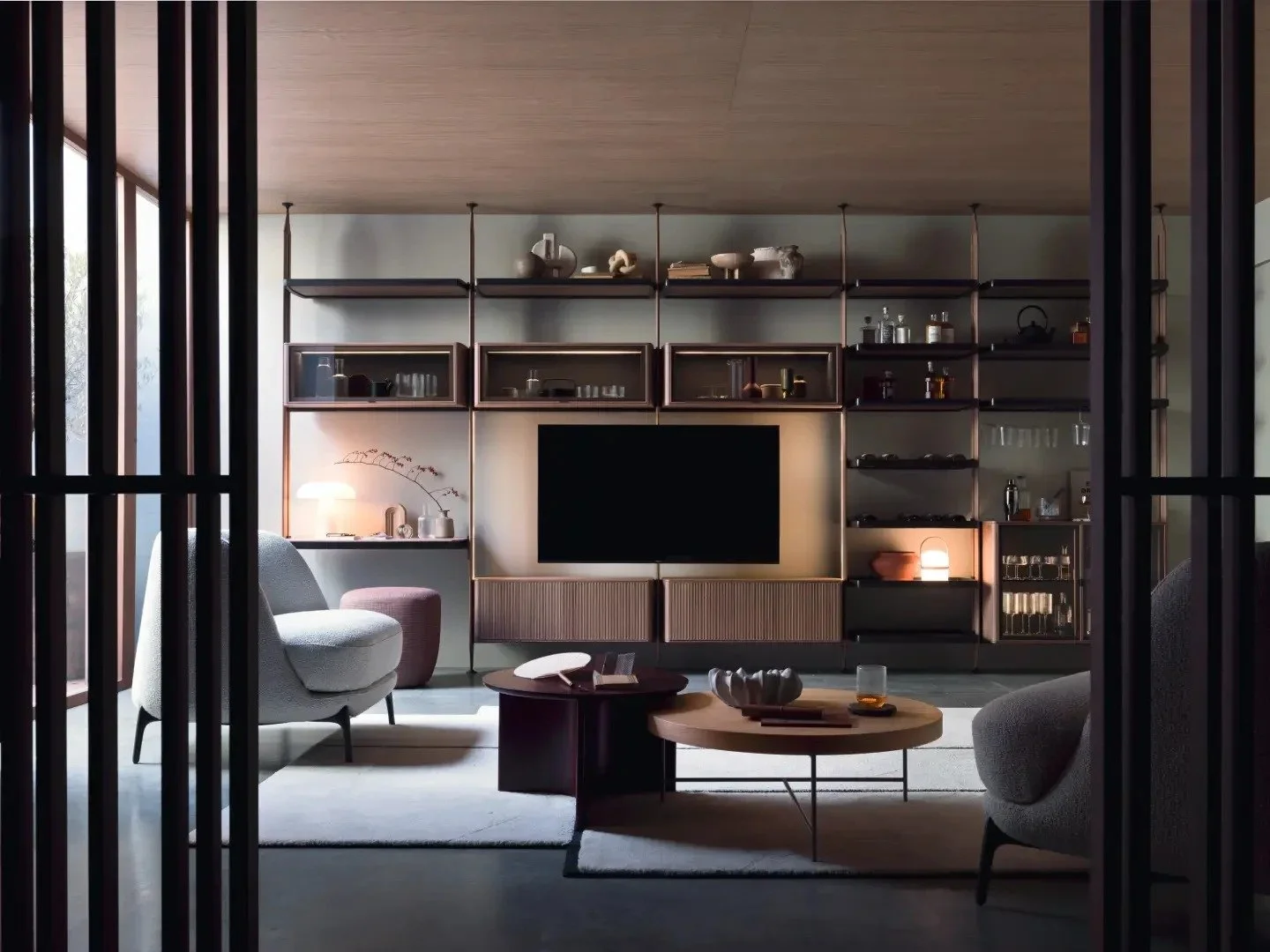
What Is Italian Office Furniture for Designers & Architects?
Italian Office Furniture for Designers & Architects refers to high-quality office furnishing collections, often made in Italy, that are selected for professional settings where design standards matter. These collections typically include executive desks, managerial desks, meeting tables, reception desks, office seating, storage cupboards, shelving, sideboards, acoustic elements, and accessories such as lighting and desk pads.
For architects and designers, the service usually goes beyond selling individual items. It often includes advice on finishes, scale, room flow, cable management, ergonomic seating, and how different furniture pieces work together across the office. Instead of buying one desk at a time from mixed sources, the client gets a coordinated solution shaped around the way the team works and the image the business wants to present.
Why Designers and Architects Choose Italian Office Furniture
Design-led businesses tend to be more selective about furniture because the office is part of the brand. Clients notice materials, proportions, detailing, and how a room is put together. Italian-made and Italian-designed office collections are often chosen because they pair clean lines with quality finishes such as wood veneer, glass, leather, lacquer, porcelain, metal, and premium melamine.
Another reason this service suits design practices is flexibility. Many ranges offer optional returns, credenza units, sideboards, modular storage, matching meeting tables, and visitor seating. That helps create a space with consistency from the director’s office to the boardroom and reception area. For firms that host clients regularly, that consistency supports a more professional and considered impression.
What the Service Usually Includes
Italian Office Furniture for Designers & Architects is often delivered as a furnishing package rather than a simple online order. The exact scope varies by supplier, but the aim is usually to help the client choose, specify, and install the right pieces with fewer mistakes and less back-and-forth.
A typical service can include product selection, finish coordination, size checks, layout advice, shipping, and installation. Some providers also offer bespoke options for unusual room sizes, brand-led design requirements, or projects that need custom dimensions and specialist finishes.
Core Furniture Categories
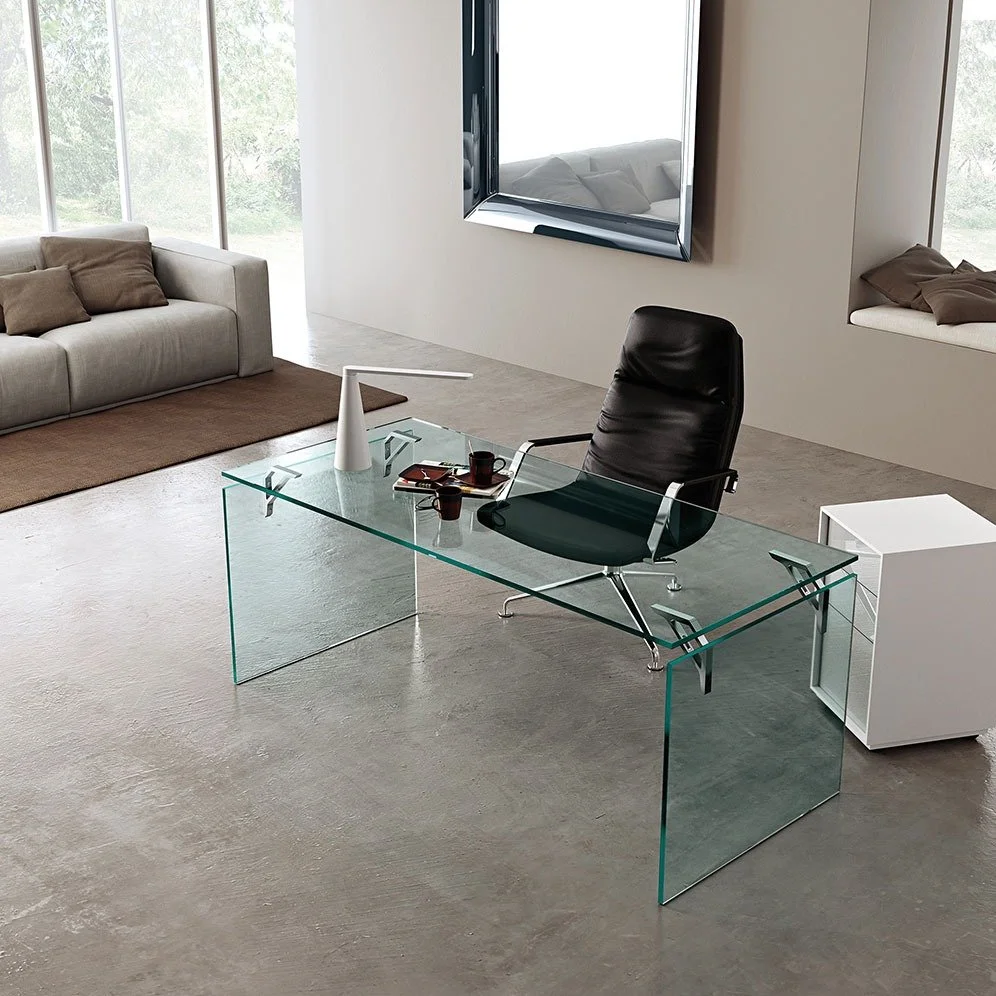
Most projects are built around a core set of furniture elements. These pieces need to work as a group, not just as stand-alone products. A well-planned scheme will usually cover executive workspace, storage, meeting areas, and visitor-facing zones.
Executive and managerial desks
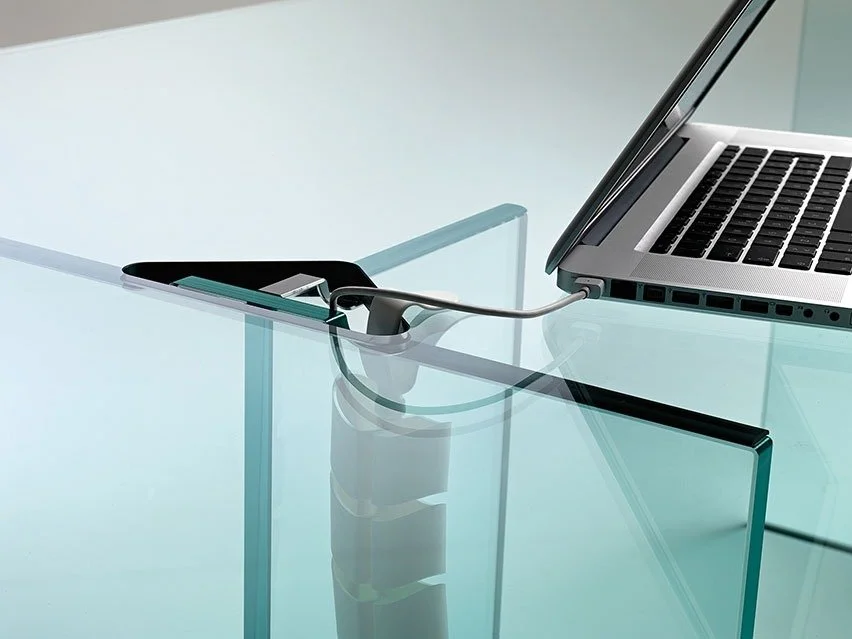
These can include wood finish desks, veneer desks, leather top desks, lacquered desks, glass executive desks, metal-leg executive tables, and height-adjustable executive desks. Many designs include optional returns, credenza units, or integrated cable management.
Office seating
This usually covers executive office chairs, task chairs, boardroom chairs, meeting room chairs, visitor chairs, lounge seating, sofas, and armchairs. Leather and fabric upholstery are both common, depending on the tone of the space.
Storage and shelving
Storage often includes credenzas, cupboards, sideboards, bookcases, wall units, lockers, under-desk storage, and low or full-height cabinets. In better schemes, storage is chosen to match the desk collection rather than treated as an unrelated extra.
Meeting and reception furniture
Many design and architecture firms also need boardroom tables, meeting tables, round meeting tables, reception desks, reception chairs, and waiting area seating. These are often selected alongside executive furniture to create a consistent visual language throughout the office. Lighting is also a crucial part of any office design & layout.
How the Process Works Step by Step
Buying Italian office furniture for a studio or executive office usually works best as a structured process. This helps avoid ordering beautiful pieces that do not fit the room, clash with the flooring, or leave no allowance for cable routes and movement space. Good providers guide the project from brief through to installation.
For designers and architects, this process matters because there is often a higher expectation around finish quality, join lines, colour matching, and how the furniture sits in the wider interior concept.
1. Brief and workspace goals
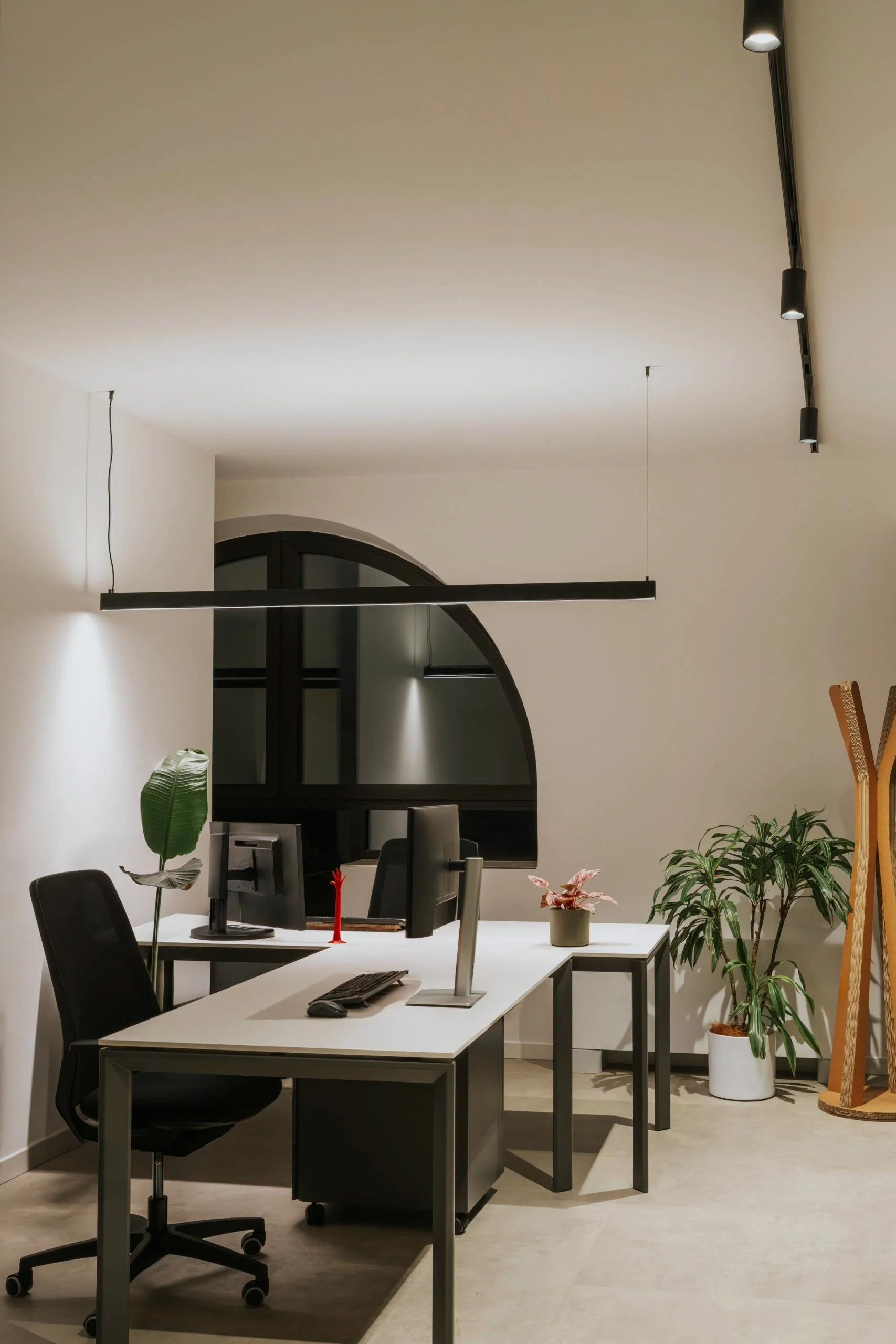
The project starts with practical requirements. How many people will use the space, what sort of client meetings happen there, what equipment is needed, and how formal the office should feel all affect the recommendation.
2. Space planning and sizing
Desk depth, return position, meeting table size, circulation space, and storage placement are checked against the room. This is where many problems are prevented early, especially in compact city offices or converted studio spaces.
3. Product and finish selection
At this stage, the client compares styles and materials. One office may suit dark veneer, leather inserts, and statement executive chairs, while another may need lighter wood finishes, clear glass, or a more architectural mix of metal and porcelain surfaces.
4. Quote and specification
The provider prepares a clear breakdown of products, finishes, quantities, optional extras, delivery details, and installation scope. This helps the client compare options without guessing what is or is not included.
5. Delivery and installation
Higher-value office furniture is usually delivered with more care than flat-pack office products. Installation teams assemble desks, position storage, fit meeting tables, and leave the office ready for use. For busy firms, that reduces disruption and lowers the risk of damage during self-installation.
What Problems This Service Solves
Italian Office Furniture for Designers & Architects solves more than appearance issues. It helps clients create workspaces that are cohesive, durable, and suitable for long hours of focused work. That makes it useful for practices where the office needs to support both productivity and presentation.
Common problems solved include mismatched furniture, poor ergonomics, weak first impressions in client-facing spaces, lack of integrated storage, visible cable clutter, and layouts that look crowded even when the room is not small. A coordinated furniture package fixes these issues by treating the office as one design system.
Problem vs Solution
| Common Problem | How the Service Solves It |
|---|---|
| Desks and storage do not match | Uses coordinated collections with matching finishes and detailing |
| Executive office looks impressive but feels impractical | Combines design with cable management, storage, and ergonomic seating |
| Client meeting room feels generic | Adds boardroom tables, chairs, and lighting with stronger design identity |
| Limited space in studio office | Plans sizes carefully and offers compact or custom configurations |
| Furniture wears out too quickly | Uses better materials and construction for longer-term performance |
Who This Service Is Best Suited For
This type of furnishing service is especially suitable for businesses where the office environment affects credibility. That includes architecture practices, interior designers, property firms, private client consultants, creative agencies, law firms, and company directors who host meetings in their workspace.
It also suits businesses upgrading from standard commercial furniture to something more refined and durable. A small team of three to ten people can benefit just as much as a larger firm if the office is used for presentations, concept reviews, client appointments, or leadership work. Home offices can also be included when the aim is to create an executive-quality workspace rather than a temporary setup.
What Affects Pricing?
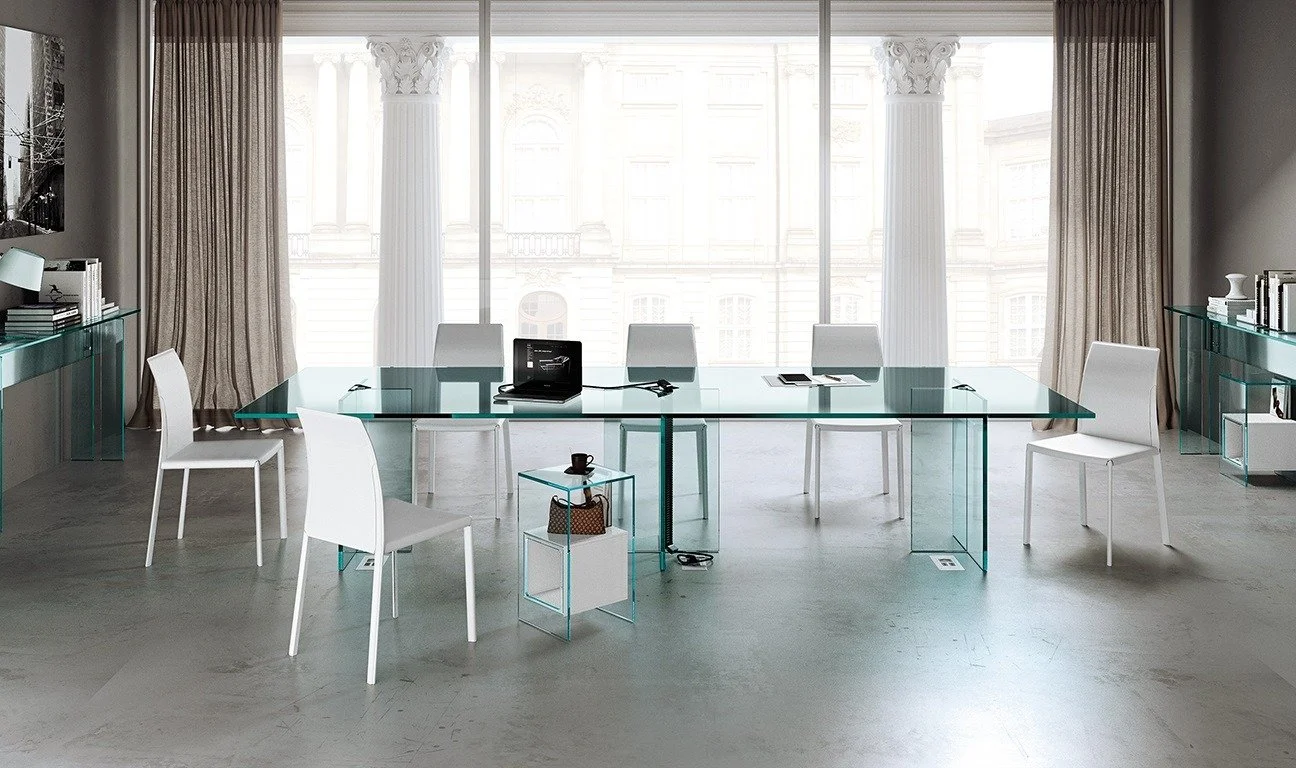
The cost of Italian Office Furniture for Designers & Architects varies widely because there is a large range in materials, dimensions, brand positioning, and service level. Some executive desks begin around the lower thousands, while prestige desks with leather, porcelain, veneer, or glass finishes can rise much higher. Matching seating, storage, and meeting tables add to the total.
Pricing is not just about the product itself. The final figure is shaped by how tailored the project is, whether installation is included, and whether the client needs standard ranges or bespoke pieces.
Main pricing factors
Several elements push the budget up or down. Knowing these in advance makes comparing quotes easier and helps avoid choosing a product that looks right at first glance but becomes expensive once all extras are added.
Desk size and configuration
Material choice such as veneer, leather, glass, porcelain, lacquer, or solid surface
Matching credenzas, sideboards, cupboards, and bookcases
Type of office chair and upholstery
Meeting room and reception furniture requirements
Custom sizes or bespoke finishes
Delivery location and access conditions
Assembly and installation service
Common Misconceptions About Italian Office Furniture
Many buyers assume Italian office furniture is only for very large corporate headquarters or that it is chosen purely for visual impact. In practice, it can work well for smaller studios, compact executive offices, and home workspaces where quality and appearance both matter.
Another misconception is that design-led office furniture is less practical. In stronger collections, the opposite is often true. Better executive desks include wire management, integrated storage options, return units, cable flaps, and durable surfaces. Better chairs combine softer detailing with ergonomic support. The result is a workspace that feels elevated without becoming precious or difficult to use.
What Results Can You Expect?
A successful Italian office furniture project should improve both the feel and the function of the workspace. The most visible result is a more polished office, but the day-to-day gains matter just as much. Teams work more comfortably, meeting rooms feel more credible, and storage supports tidier routines.
For designers and architects, the outcome is often a workspace that reflects the standard of their own work. That can support client trust, make presentations feel stronger, and help the office become an asset rather than a weak point. Over time, better materials and better construction can also mean fewer replacements and a longer usable life.
When It Makes Sense to Invest in Italian Office Furniture for Designers & Architects
This service makes sense when the office needs to do more than provide a desk and chair. If clients visit regularly, if directors need a workspace with authority, or if the business wants the office to match its design values, a coordinated Italian furniture solution is often worth considering.
It is also a sensible choice during office moves, refurbishments, partner office upgrades, boardroom redesigns, and studio fit-outs. Rather than replacing furniture piece by piece over several years, a planned scheme gives a better result and usually creates fewer compatibility issues later.
Frequently Asked Questions
Is Italian Office Furniture for Designers & Architects only for large budgets?
No. There are premium collections at different price points. A project can begin with one executive desk and chair or expand into a full office package with storage, meeting tables, and reception furniture.
Can executive desks be customised?
Many ranges offer choices in size, finish, return position, credenza options, and top materials. Some suppliers also provide bespoke office furniture for projects with specific dimensions or design requirements.
What materials are commonly available?
Common materials include wood finish melamine, wood veneer, lacquer, glass, leather, porcelain, metal, and solid surface. The right choice depends on the look you want, the durability needed, and how formal the room should feel.
Does the service include installation?
In many cases, yes. Delivery and installation are often offered together, especially for executive desks, boardroom tables, storage walls, and larger office schemes. It is always best to check exactly what is included in the quote.
How long does a project usually take?
Lead times depend on stock, finish selection, and whether the furniture is standard or made to order. Fast delivery may be possible for selected ranges, while custom Italian pieces usually take longer.
Is this suitable for home offices as well as commercial spaces?
Yes. Many clients use Italian executive desks and designer office chairs in home offices where they want a professional setting with better quality, better organisation, and a stronger visual standard than typical home office furniture.
Choosing the Right Provider
Not every supplier offers the same level of guidance. For a design-led workspace, it helps to work with a provider that can advise on layout, finish combinations, executive seating, matching storage, and installation logistics rather than simply listing products online.
Good providers can explain the difference between desk types, help refine the scope to match the budget, and recommend furniture that suits the way your office actually operates. That matters for architects and designers because the details are rarely accidental. The office needs to work hard, look resolved, and support the standards your clients already expect from you.