

Italian Kitchens for Property Developers: Design, Supply, Installation and Cost Guide
Italian Kitchens for Property Developers are a specialist service that combines kitchen design, product supply, logistics, installation, and aftercare for residential schemes. Rather than buying standard off-the-shelf units and managing multiple trades separately, developers work with one kitchen partner that handles the process from design intent through to completed handover. This approach is especially useful when the kitchen needs to support sales value, suit a defined buyer profile, and be delivered reliably across multiple plots.
For many developments, the kitchen is one of the most closely judged rooms in the home. Buyers often form an opinion on quality, layout, and finish within minutes of walking in. Italian kitchens are popular because they bring together clean design, efficient storage, durable materials, and a premium feel that suits both contemporary apartments and higher-value family homes.
This guide explains how Italian Kitchens for Property Developers work, what is usually included, who they suit, what affects cost, and what results developers can expect from a well-managed kitchen package.
What Are Italian Kitchens for Property Developers?
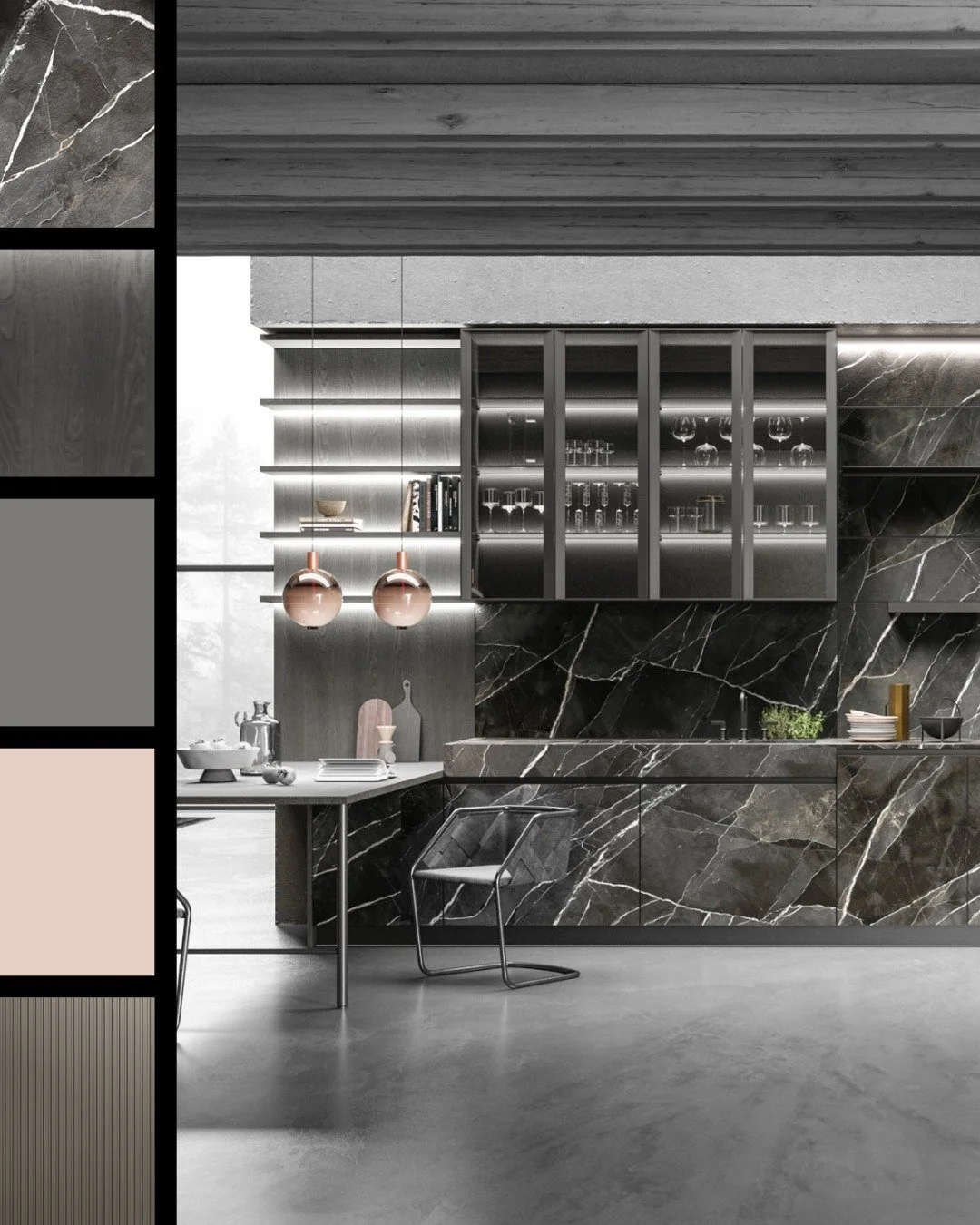
Italian Kitchens for Property Developers are contract kitchen solutions created for new-build homes, apartment schemes, mixed-use projects, refurbishments, and high-end conversions. The service usually covers design development, technical detailing, product specification, manufacturing, delivery to site, installation, appliance coordination, and post-completion support.
Unlike a retail kitchen purchase for a single homeowner, a developer-focused service is built around programme control, repeated unit types, value engineering, snagging, and site coordination. It must work for the developer, the architect, the interior designer, the site manager, and the eventual buyer or tenant. That means the kitchen has to be attractive, practical, robust, and installable within real construction conditions.
Italian kitchen ranges often include modern handleless furniture, slab doors, textured finishes, wood-effect surfaces, painted options, statement islands, and modular storage systems. Many suppliers also provide wardrobes, vanity units, media units, splashbacks, worktops, and appliance packages, which helps streamline procurement.
Common benefits for developers
When supplied through an experienced contract team, Italian Kitchens for Property Developers can offer clear commercial and practical advantages.
Strong visual appeal for marketing suites, brochures, and show homes
Flexible styles for apartments, townhouses, and detached homes
Modular cabinetry suited to repeated unit layouts
Integrated appliances and storage that improve usability
Better buyer perception in mid-range and premium developments
Single-provider project management for less admin on site
Aftercare and remedial support after completion
What Is Included in the Service?
A professional developer kitchen package goes far beyond supplying cabinets. The full service is usually structured to reduce delays, avoid specification gaps, and give the developer a single point of responsibility. That is one of the main reasons developers use a specialist provider rather than sourcing each element separately.
Depending on the project, the package can be adjusted for budget, unit count, target market, and timeline. Some schemes need a simple, durable specification for rental apartments, while others need personalised upgrades for private buyers.
Typical inclusions
Initial consultation based on drawings, unit mix, and development brief
Kitchen design from architect plans
Layout planning and technical checks
Door, cabinet, handleless rail, and finish selection
Worktop, splashback, sink, tap, and accessory specification
Appliance packages from recognised brands
3D visuals or presentation drawings for review
Manufacturing and supply
Delivery direct to development site
Installation by specialist fitters
Snagging and remedial support
Optional wardrobes or fitted furniture to match the interiors package
How the Process Works Step by Step
One of the biggest concerns for developers is coordination. Kitchens sit late enough in the build to affect handover, but they also require early decisions on layout, services, ventilation, and appliance choices. A clear process helps avoid rework and keeps the programme moving.
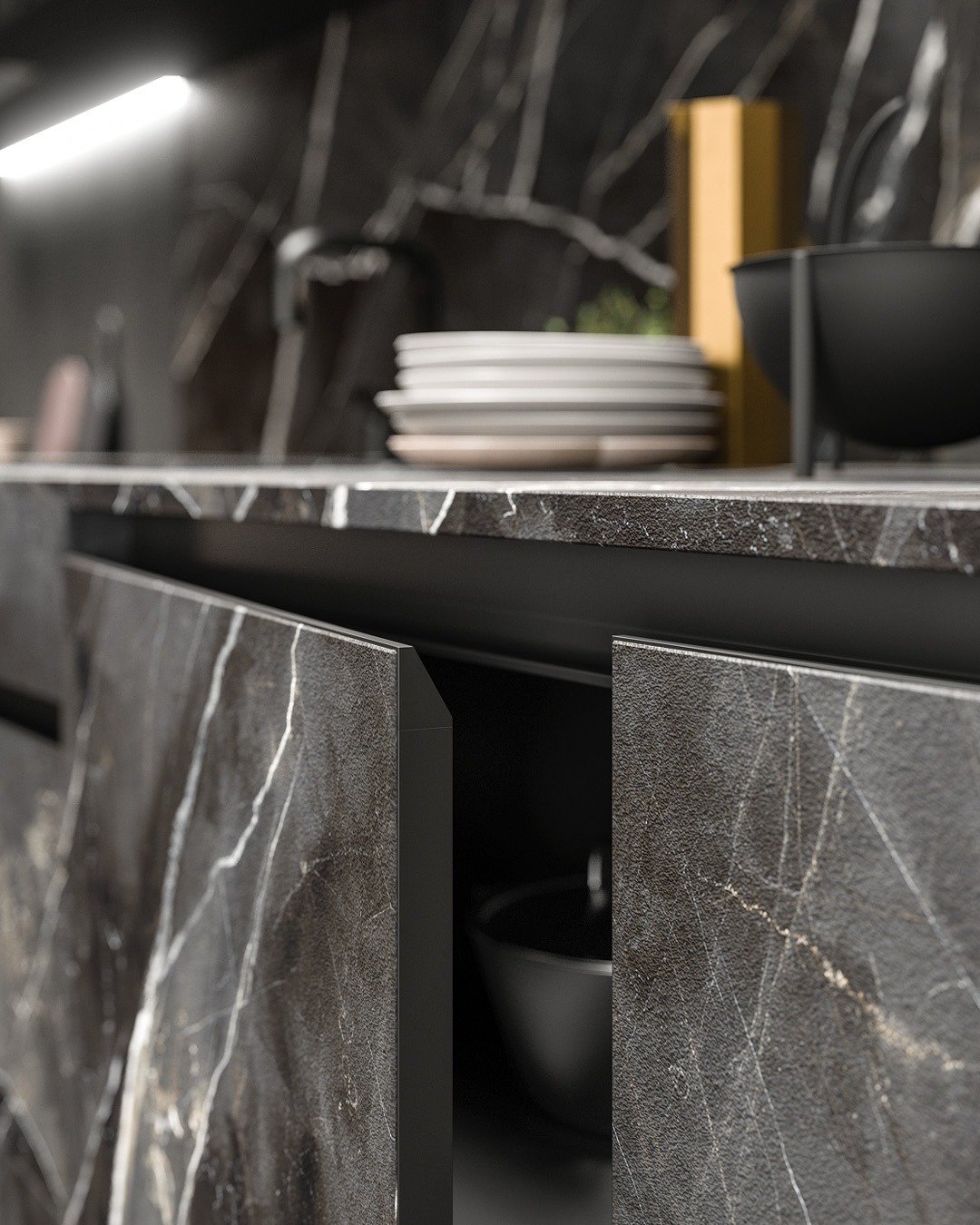
Most Italian Kitchens for Property Developers follow a structured route from concept to completion. The exact sequence varies between providers, but the principles remain the same.
1. Project brief and feasibility
The supplier reviews plans, plot numbers, buyer profile, budget targets, and site timeline. At this stage, the provider will usually identify whether a modular Italian range suits the scheme or whether a more bespoke route is needed.
2. Design development
Layouts are developed around room dimensions, appliance requirements, storage targets, and service positions. For developer projects, the focus is usually on getting the right balance between visual impact, practical use, and repeatable specification.
3. Specification and value alignment
Finishes, worktops, appliances, handles or handleless profiles, internal storage, and optional upgrades are selected. This stage may include different tiers, such as standard, premium, and purchaser upgrade options.
4. Approval and technical sign-off
Once designs are approved, technical details are checked against site conditions. This includes dimensions, wall conditions, service points, and installation sequencing. Good sign-off at this stage helps prevent avoidable snagging later.
5. Manufacture and logistics
The kitchens are produced and scheduled for phased delivery if needed. Providers with dedicated logistics teams can deliver direct to site in line with plot readiness, which reduces storage problems and site congestion.
6. Installation
Specialist installers fit the kitchens, align doors and panels, coordinate appliance integration, and complete finishing details. On repeated unit types, a skilled contract team can work efficiently while maintaining consistency.
7. Snagging and aftercare
After installation, the provider handles remedials, adjustments, or replacement items if required. This support matters on live developments where handover dates are tight and late issues need quick action.
Who This Service Is Best Suited For
Italian Kitchens for Property Developers are not only for large national housebuilders. They can work equally well for smaller regional developers, self-build investors, architects managing bespoke schemes, and interior designers specifying for luxury homes or apartment blocks.
The service is especially useful where the kitchen needs to act as a selling feature rather than just a basic utility space. In many developments, that can mean the kitchen helps justify pricing, supports faster sales, or increases appeal to a more design-aware buyer.
Typical project types
Apartment developments
Townhouse schemes
Luxury detached homes
Barn conversions and country homes
Mixed residential developments
Show homes and marketing suites
Buy-to-sell and buy-to-let refurbishments
Holiday let and serviced accommodation projects
What Problems Does the Service Solve?
Developers often face the same kitchen-related issues: late design decisions, inconsistent installation quality, products that arrive damaged or incomplete, and too many separate suppliers to manage. These problems create pressure on site teams and can push back practical completion.
A specialist kitchen contract service solves this by giving the developer a defined process and one accountable provider. It also helps reduce buyer dissatisfaction, because the kitchen is better thought through from the start.
| Developer Problem | How the Service Helps |
|---|---|
| Too many suppliers to coordinate | One provider manages design, supply, delivery, installation, and aftercare |
| Weak visual impact in sales properties | Italian styling improves presentation and perceived property value |
| Programme delays on site | Planned logistics and dedicated installation teams support build timelines |
| Inconsistent fit-out quality | Technical sign-off and specialist fitters improve consistency across plots |
| Post-handover issues | Remedial teams and aftercare support help resolve snagging quickly |
| Limited buyer choice | Upgrade paths and finish options can be built into the package |
Design Options and Style Choices
Italian kitchens are often associated with sleek contemporary design, but the category is wider than many developers expect. A good supplier can match the style of the development rather than forcing a one-look-fits-all approach. This is useful when a site includes different property types or price points.
Popular options include true handleless kitchens, slab-fronted doors, woodgrain effects, matt painted finishes, statement islands, and combinations of textured finishes with stone or composite worktops. For more traditional schemes, an Italian-inspired kitchen can still include warmer tones, framed detailing, and softer styling while keeping a modern internal layout.
Features that commonly appeal to buyers
Hidden storage and drawer organisation
Integrated bins and corner solutions
Quartz, porcelain, or composite worktops
Integrated ovens, hobs, extraction, and refrigeration
Breakfast bars and island seating
Durable finishes suited to daily use
Low-maintenance surfaces for rental or busy family homes
How Much Do Italian Kitchens for Property Developers Cost?
Pricing varies widely because the service can be tailored from budget-conscious contract ranges to highly bespoke luxury kitchens. Unit count, kitchen size, specification, worktop material, appliances, logistics, and installation complexity all influence the final figure. That is why developers usually work from a target budget per plot or per square foot rather than expecting one flat rate. For a broader consumer reference, the fitted kitchen cost guide from Which? can also help readers understand how kitchen costs vary by specification, materials, and appliances.
As a planning guide, many professionals use a value-based budgeting method. A common rule of thumb is that the kitchen may account for around 10% of a completed property’s value on premium residential projects. For properties being repositioned or upgraded for resale, some developers may invest at a higher level where the kitchen is a major part of the transformation.
Main pricing factors
Number of units in the development
Kitchen size and layout complexity
Italian range selected
Standard or bespoke cabinetry dimensions
Door finish and internal cabinet specification
Worktop material and thickness
Appliance brand and package level
Delivery region and site access
Installation scope and sequencing
Wardrobes or additional fitted furniture
Buyer upgrade options
Budget scenarios
For smaller developments, a simple Italian kitchen with sensible specification may be used to create a premium look without overreaching the sales value of the property. At the higher end, developers may choose rigid-built cabinetry, made-to-measure elements, stone worktops, upgraded appliances, and more personalised finishes to support luxury pricing.
A realistic quote should always be based on drawings, plot schedules, and specification goals. That gives a more reliable view of both cost and programme.
Timeline Expectations
Developers need realistic expectations on lead times. Italian kitchen supply can be efficient, but only when approvals, technical information, and site readiness are managed properly. Delays usually come from late sign-off, incomplete service coordination, or changing specifications midstream.
Some providers can supply and install within a few weeks of final approval on selected ranges, while bespoke or imported elements may take longer. Larger phased developments usually benefit from a delivery schedule aligned to build stages rather than a single bulk drop.
What affects lead time?
Range availability
Imported versus locally held products
Level of customisation
Appliance lead times
Worktop templating requirements
Site access and readiness
Number of plots being fitted at once
Common Misconceptions About Italian Kitchens for Developers
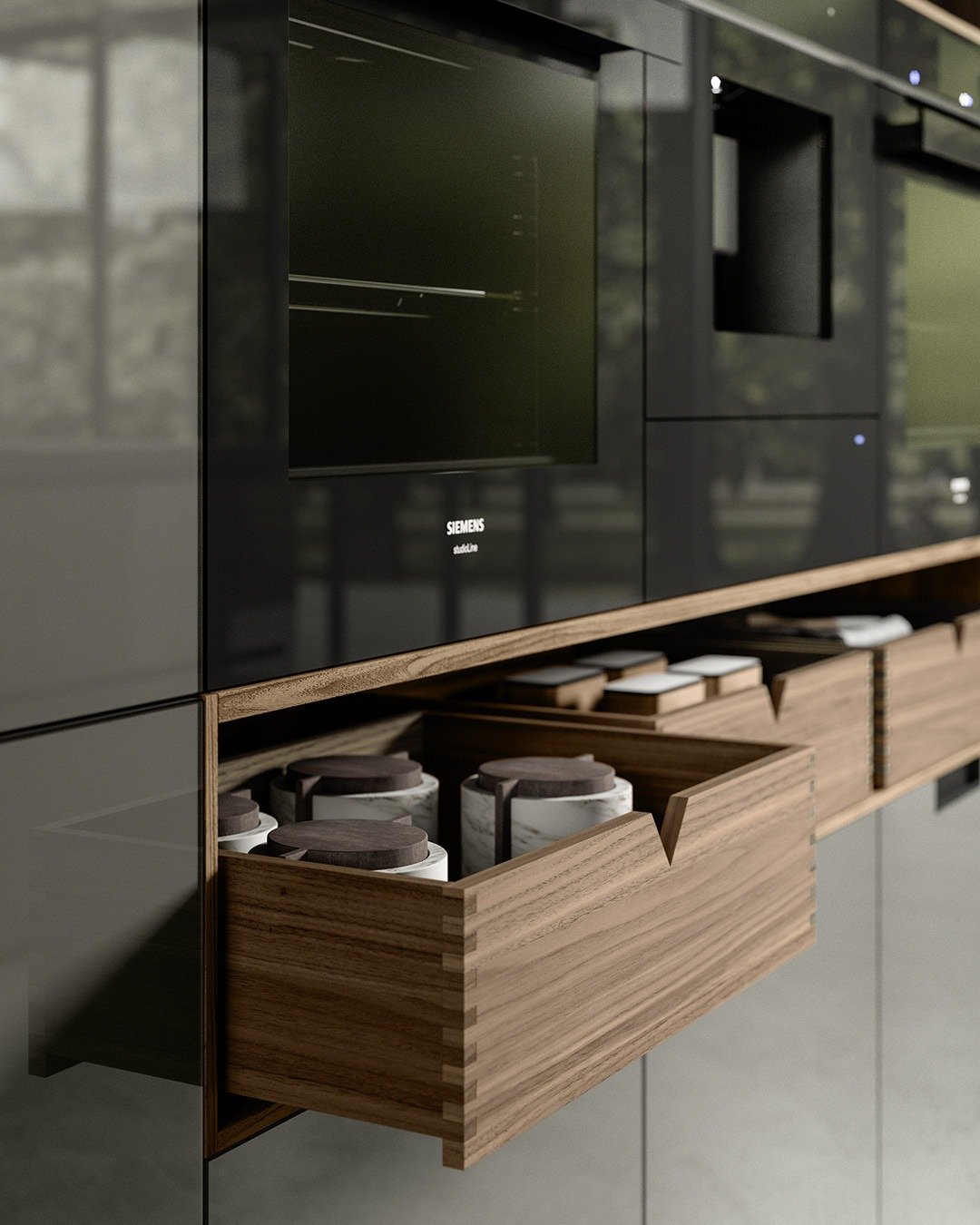
There are a few recurring myths around this service that can stop developers from exploring it properly. The first is that Italian kitchens are only suitable for ultra-luxury homes. In reality, there are contract-friendly ranges that deliver the style and efficiency of Italian design at a more accessible price point.
Another misconception is that these kitchens are all about appearance and not practical enough for daily use. In fact, one of the strongest selling points is how well many Italian systems handle storage, integrated appliances, and open-plan living. They are often designed with functionality at the front of the process.
Some developers also assume imported kitchens automatically mean difficult timelines or service issues. That depends far more on the provider than the country of origin. A specialist contract team with project management, logistics, and remedial support can make the process straightforward.
What Results Can Developers Expect?
A well-executed kitchen package can improve much more than the look of the units themselves. It can help the whole property feel more finished, more valuable, and better matched to the target buyer. On a practical level, it can also reduce site management time and lower the risk of handover disruption.
In real projects, the strongest outcomes usually include better presentation in show homes, improved buyer response to open-plan layouts, smoother fit-out coordination, and fewer headaches from snagging and aftercare. For developers selling into quality-conscious markets, the kitchen can be one of the clearest differentiators in the home.
When Does It Make Sense to Use This Service?
Italian Kitchens for Property Developers make sense when the kitchen plays a meaningful role in the saleability or quality of the scheme. That may be because the project is aimed at a premium market, because the homes are open-plan, or because the developer wants a more joined-up procurement process.
It also makes sense when dealing with multiple plots, repeated layouts, or buyer upgrade pathways. In these situations, working with a kitchen specialist can save time and create a better result than trying to assemble the package through separate suppliers and trades.
Frequently Asked Questions
Are Italian Kitchens for Property Developers only suitable for luxury developments?
No. While they are often used in premium homes, there are also budget-conscious contract ranges that bring Italian styling and practical layouts to mid-market schemes, apartments, and smaller developments.
Do developer kitchen packages include appliances?
Usually, yes. Many providers offer appliance packages as part of the kitchen specification. The exact brands and models depend on the target market, budget, and whether the development is standard spec or upgrade-led.
Can the kitchen supplier manage installation on site?
Yes. Most contract kitchen specialists provide dedicated project management and installation teams. This is one of the main advantages of using a specialist provider, as it reduces the coordination burden on the developer.
How long does it take to deliver and install Italian kitchens for a development?
Lead times depend on the chosen range, the level of customisation, and how quickly designs are approved. Some projects move quickly after sign-off, while bespoke or phased developments may require a longer programme.
Can buyers personalise their kitchens?
In many developments, yes. Developers often offer upgrade choices such as worktop materials, door finishes, handles, appliance tiers, or storage accessories. This can add perceived value and create upsell opportunities.
Do kitchen providers also supply wardrobes and fitted furniture?
Many do. Adding wardrobes, vanity units, media walls, or home office furniture through the same supplier can simplify procurement and help keep the interior style consistent across the property.
Choosing the Right Italian Kitchen Partner
The right supplier should be able to show more than attractive product imagery. Developers should look for a team that understands build programmes, repeated unit types, technical coordination, site logistics, and post-completion support. Product quality matters, but delivery discipline matters just as much.
If you are comparing providers, ask about design support from architect plans, site delivery capability, installation management, remedial response times, appliance partnerships, and whether they can support wardrobes or other fitted interiors as part of the package. The strongest italian kitchen partner will make the process simpler while helping your development present better and sell with confidence.