

Novamobili at Salone del Mobile 2026
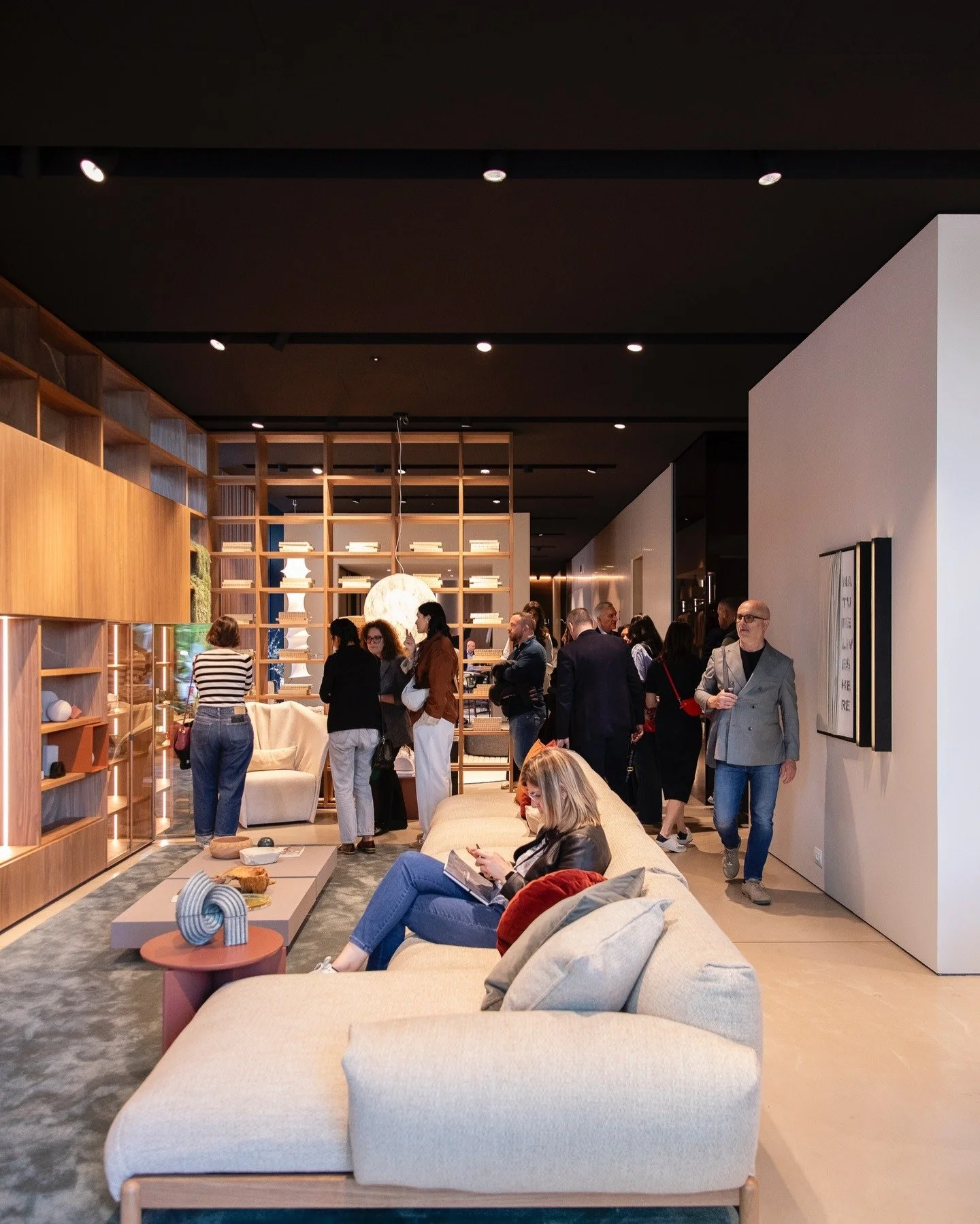
At TIB Plus, we represent Novamobili within a wider portfolio of Italian brands for interior designers, architects and trade professionals in the UK. During Salone del Mobile week this year, the most important point for us was not simply that Novamobili showed new products, but that the brand sharpened its direction. Publicly, Novamobili presented Milan Design Week 2026 under the theme Living Beyond the Surface, using its renovated flagship store on Via Melchiorre Gioia to preview a new living collection centred on organic forms, innovative materials and a more immersive, material-led idea of the home. The wider Salone del Mobile.Milano ran from 21 to 26 April 2026, while Novamobili’s own presentation unfolded in the city as part of Fuorisalone.
What makes this year especially interesting is that the public preview is only part of the story. Alongside what Novamobili has already shown publicly, the brand has also shared more detailed post-Salone information with us about the June roll-out: a completely new living system, a curved addition to Box18, a new wall-panelling system with three depths, expanded ceramic, leather and marble options, a new reeded finish, and a series of upgrades across Wall30 and the dining offer. As of 28 April 2026, the public technical-sheet library still mainly documents the current ranges, so some of the details below are based on direct information Novamobili has provided to us rather than already-published product pages.
What Novamobili publicly showed in Milan
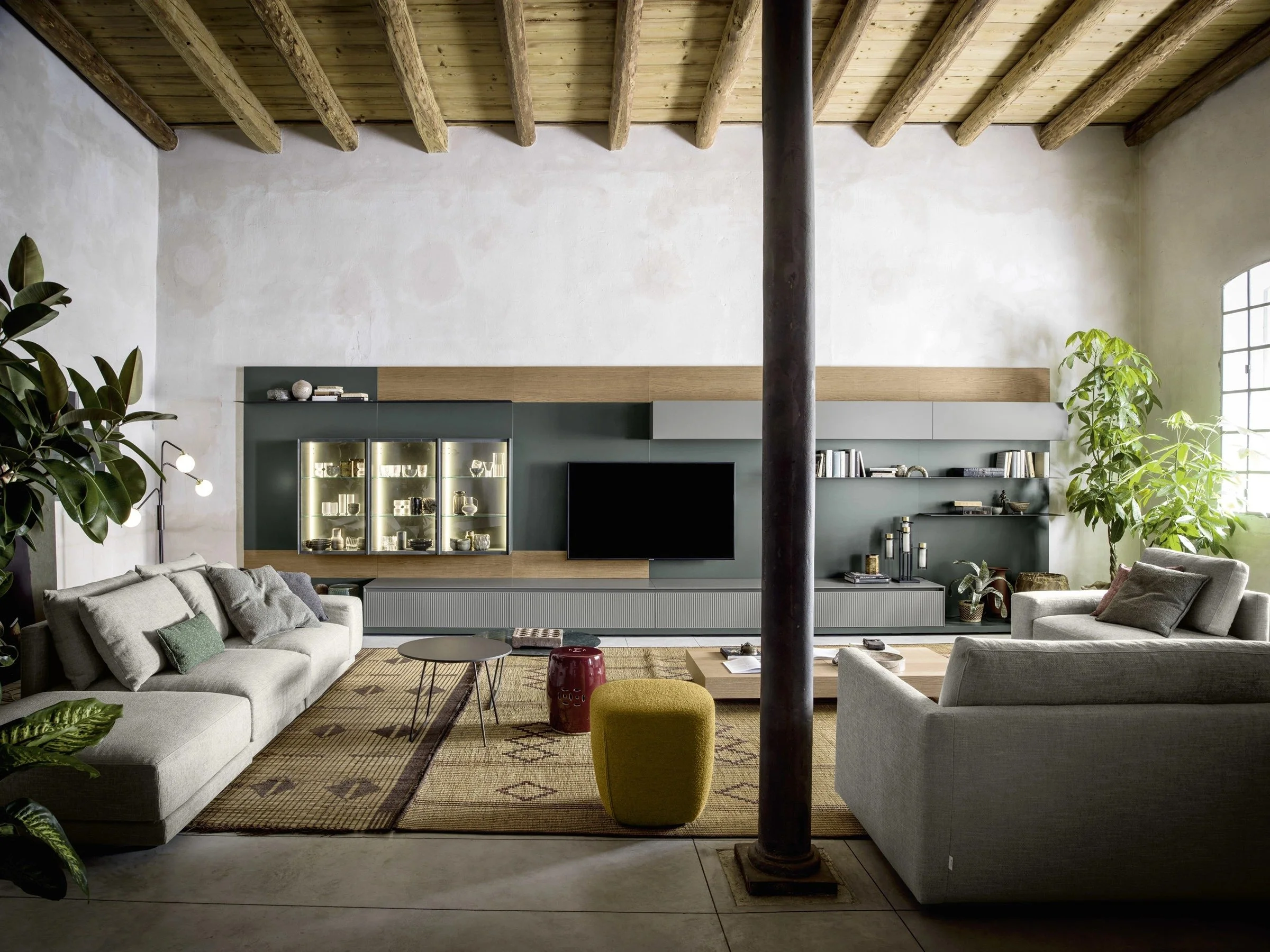
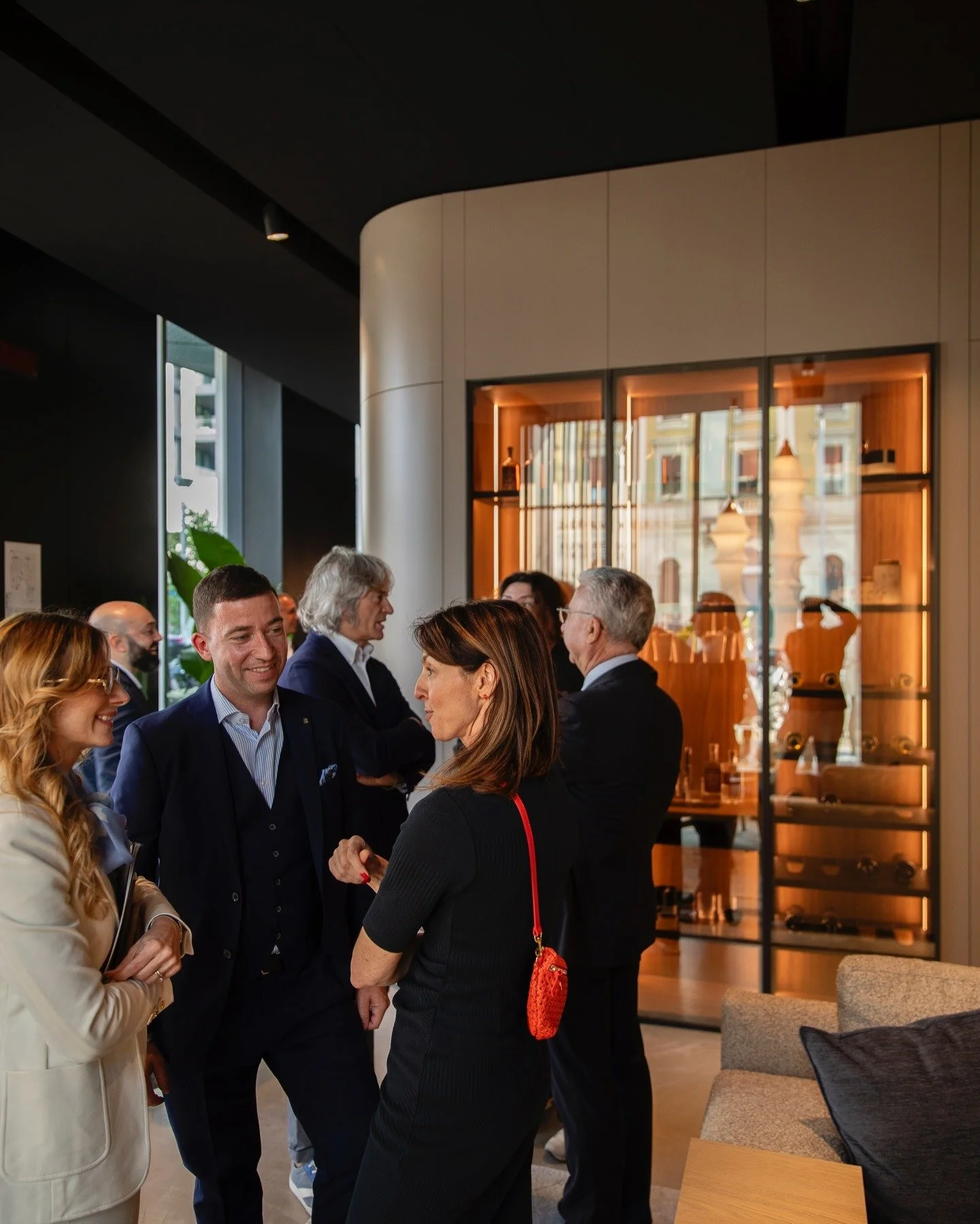
Publicly, the 2026 presentation was framed around atmosphere, material research and the relationship between emotion and matter. Novamobili described the new collection as an immersive spatial experience shaped by fine woods, natural stones and innovative materials, and both the official Novamobili page and the Fuorisalone listing emphasised that the renovated flagship store was being used to preview the new living collection rather than fully publish every new item straight away. That distinction matters, because it explains why the public language is evocative while the technical documentation still largely reflects the pre-June product line.
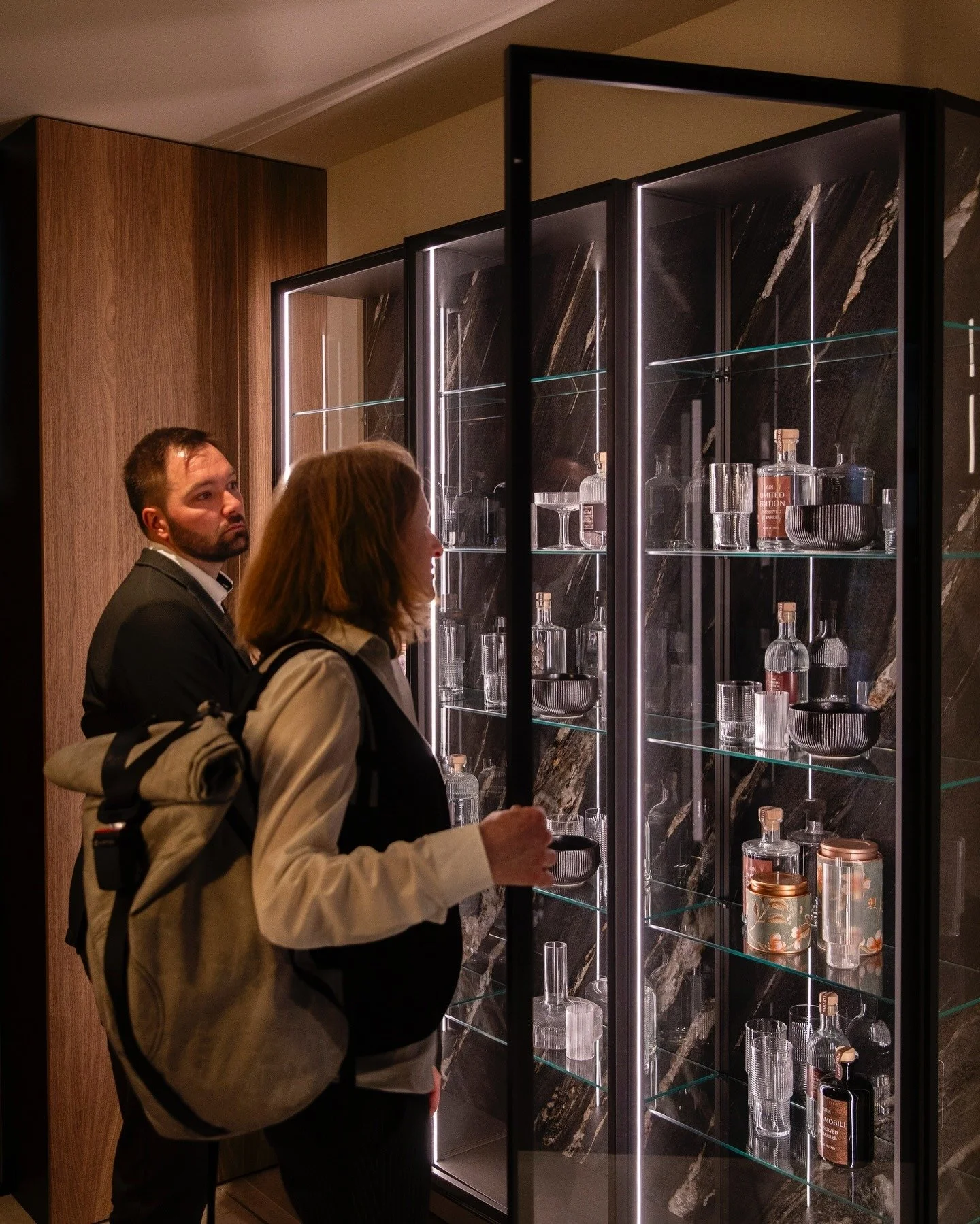
The clearest public product announcement so far is Velia. In Novamobili’s own communication, Velia is described as a new system that redefines the relationship between display and storage, using transparency, glass and refined materials to make volumes feel lighter and more architectural. External design press has already added a little more detail, describing an extruded aluminium frame, oxidised burnished and lunargento lacquer finishes, clear, smoked or amber tempered glass, and integrated LED lighting. Taken together, those details position Velia as a more transparent and display-driven expression of Novamobili’s living language.
That public story also sits neatly inside Novamobili’s longer design philosophy. On its company page, Novamobili places modularity, flexibility, cross-functionality and wide applicability at the centre of its identity, supported by in-house research and development, hand-finished stages of production and a long-standing move towards water-based and organic water-based paints. The company also publishes environmental and material credentials including FSC and ISO 14001 among its certifications, as well as Ecological Panel certification. In other words, the 2026 launch is not a one-off style exercise; it is an extension of a design culture that already prioritises systems, finish research and environmental responsibility.
Box18 evolves from modular storage into a softer architectural system
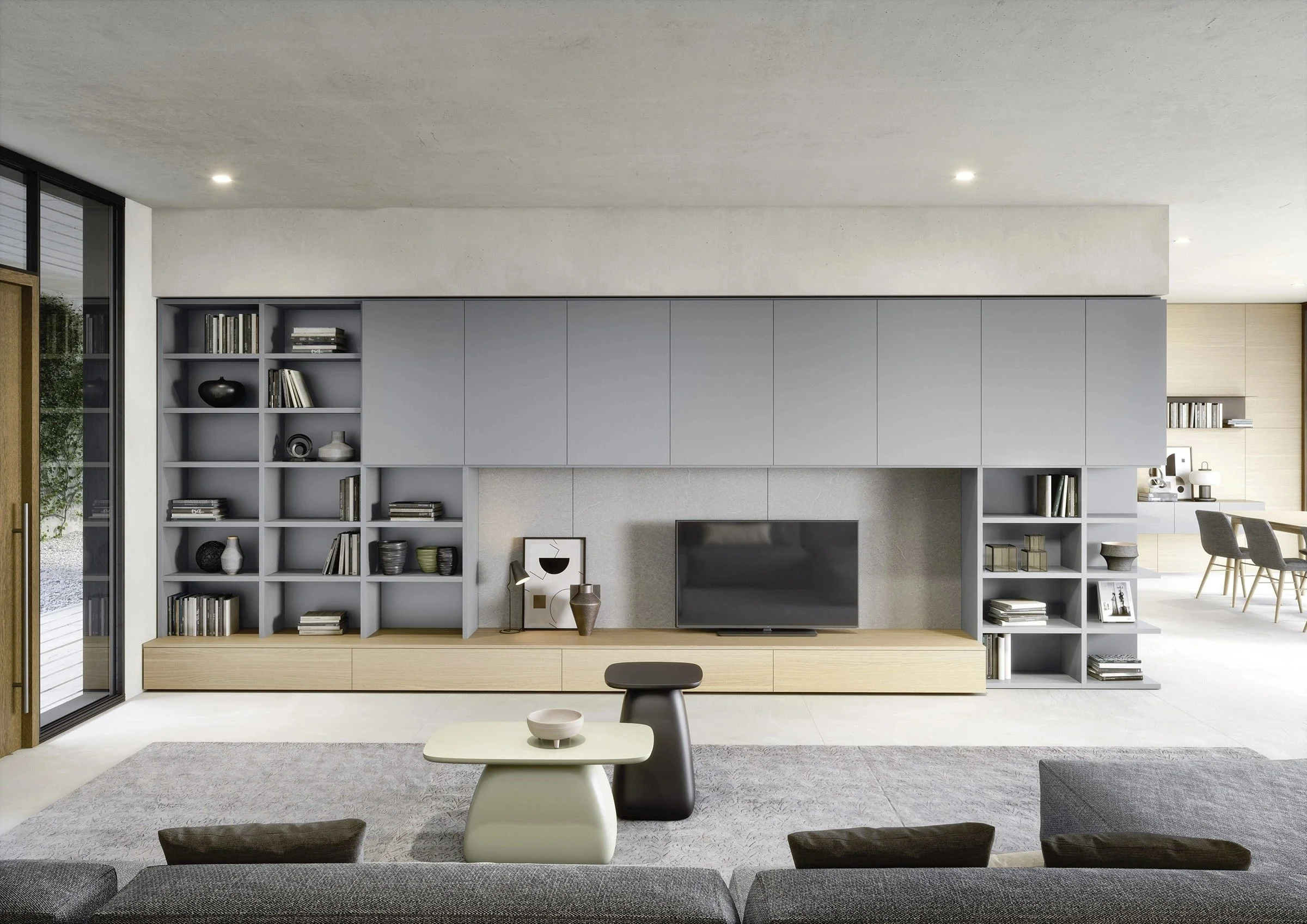
To understand why the Box18 updates matter, it helps to start with what Box18 already is. Officially, Box18 is described as a flexible, modern storage system for the living area, available in floorstanding or wall-mounted versions and adaptable to many different layouts. The current technical literature shows a family that already supports plain fronts, Era framed fronts, perforated metal, glass, panel inserts and additional graphic front options such as Rays and Drops. In other words, Box18 was already modular and expressive before this year’s launch.
What Novamobili has now confirmed to us is that Box18 is becoming more sculptural and materially richer. The most visible change is a new curved unit, which immediately softens the rectilinear language for which the system is known. Alongside that, the range is gaining ceramic and mirror back panels, with ceramic and mirror back panes also available in dialogue with the glass side-panel language already used elsewhere in the collection. Novamobili has also told us that the new reeded finish will extend into Box18 fronts, broadening the system’s surface vocabulary beyond the smooth, graphic and framed fronts already in the catalogue.
That is a more meaningful change than it may first appear. Novamobili has spent years developing graphic and tactile front treatments: the Rays fronts, for example, use vertical engravings as a strong visual motif across both living and sleeping collections, while the Layer wardrobe already uses reeded glass to create filtered transparency. The new Box18 additions suggest that Novamobili is now pulling softer geometry, reflective surfaces and more tactile textures into the centre of its living offer, rather than reserving those moves for isolated accent pieces. For designers, that opens the door to living compositions that feel less like cabinetry and more like interior architecture.
Wall panelling moves beyond backdrop and becomes a material field
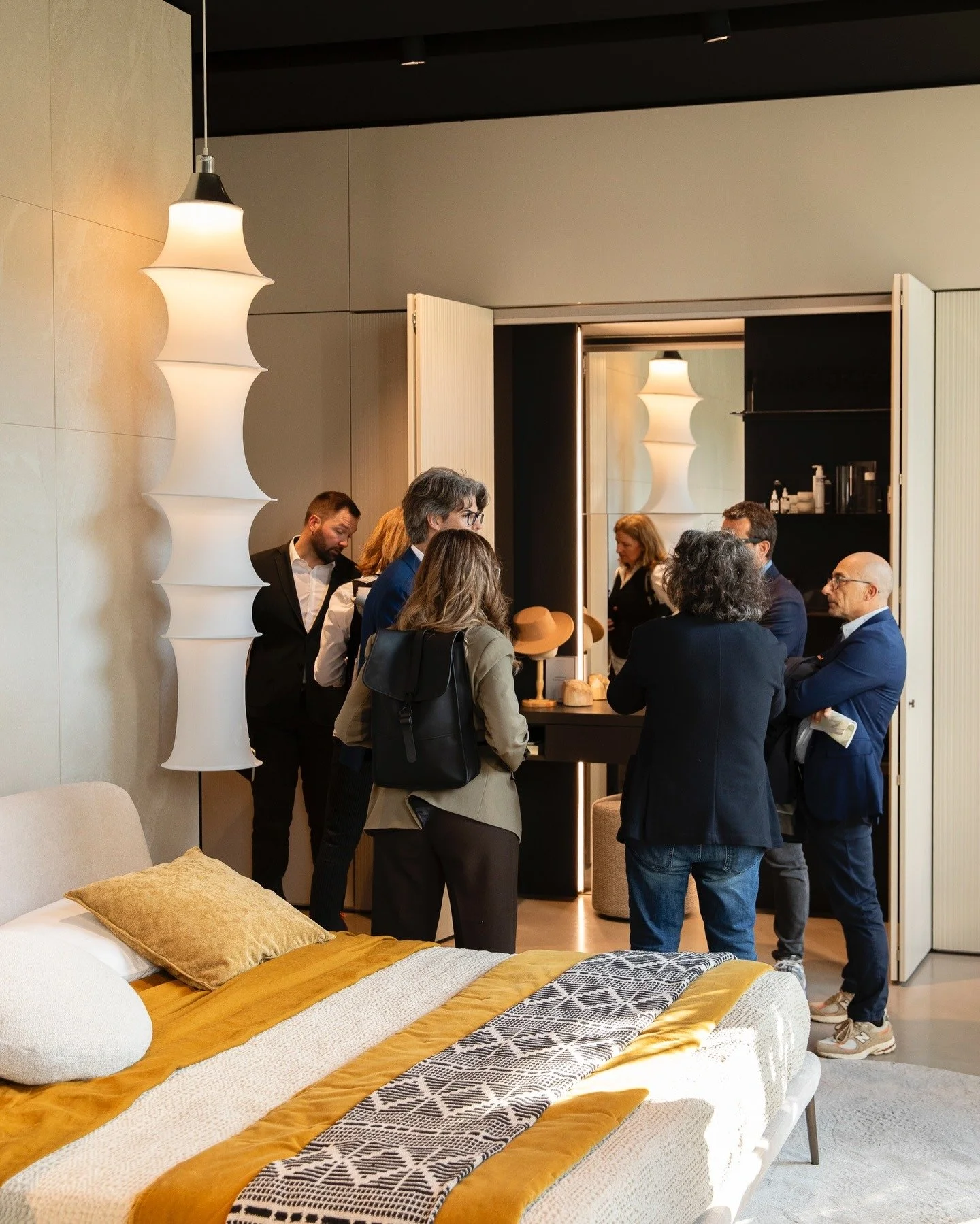
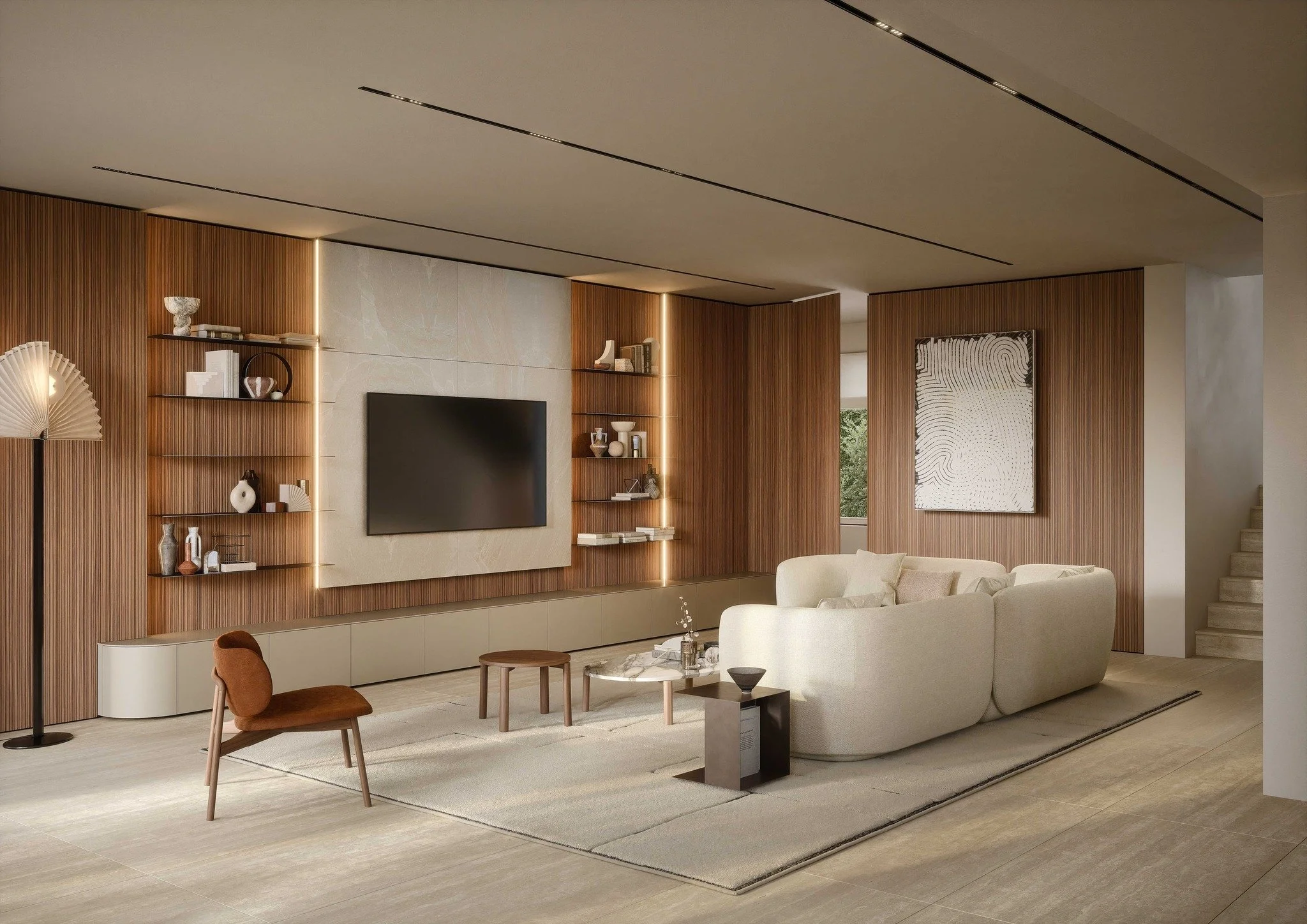
Novamobili’s existing wall-panelling offer already goes further than simple decorative cladding. Officially, the current mounting-panel system can be fitted with shelves, storage units and LED lighting; the public page also notes that the backlighting system can be managed via a smart transformer using Bluetooth or Wi-Fi, while the technical sheet documents the current boiserie logic and backlighting details. In practice, that means wall panelling already functions as furnishing, not just finish.
The June update, however, is a much more ambitious step. Novamobili has told us it is introducing a completely new wall-panel system with three different depths, alongside new ceramic, leather and mirror panels. The ceramic palette is expanding by four finishes, bringing the total to eight, while leather gains two additional finishes, bringing that category to five. Just as importantly, the new reeded finish will also be available for the wall panels, and it will be offered in matt lacquered, oxidised lacquered and wood-veneer versions.
From our perspective, this is one of the most important shifts in the whole launch. Leather, reflective surfaces and textured glass are not alien to Novamobili: the Flow mirror already uses a protruding leather frame, and both Perry and Layer wardrobes combine glass with alternative panel materials including leather. What is new is the decision to extend that mixed-material richness onto the wall itself and to make wall panelling deeper, more layered and more architectural. It turns the wall into a compositional tool rather than a neutral background, which is especially relevant in London projects where a living wall may need to absorb media, display, books, concealed storage and atmosphere all at once. The fact that Novamobili is pairing this material expansion with its existing water-based finish strategy and Ecological Panel system also suggests that material luxury is being pursued within an already-established sustainability framework.
Wall30 becomes warmer, more detailed and more useful internally
Wall30 was already one of Novamobili’s most architecturally capable living systems. The official product page describes it as a modular, comprehensive and flexible wall system with three different depths, sliding systems and closed storage, suitable for both living rooms and bedrooms. The technical sheet confirms that the current family already includes plain and Era fronts, glass and panel options, perforated sheet metal and both plain and glass sliding doors. Publicly at least, it has been a system built around depth, rhythm and a mixture of open and closed elements.
The incoming changes that Novamobili has shared with us make that system materially stronger and functionally sharper. Wall30 is gaining ceramic back panels, new internal accessories and new glass doors with a wood-veneer frame. The new reeded finish will also be available on Wall30 fronts, and Novamobili has indicated that the same reeded language will extend to wardrobe fronts as well.
That combination matters because it warms up the current Wall30 grammar. Today’s Era front is defined by a metal frame that can hold glass, panel or perforated sheet-metal inserts. The new wood-veneer-framed glass door shifts the emphasis away from purely technical precision towards a softer, more residential material balance. Add ceramic back panels and more developed internals, and Wall30 starts to look less like a bookcase system with accessories and more like a fully layered architectural framework: one that can present objects beautifully, conceal daily clutter more effectively and carry richer surface contrasts behind the front plane.
The dining offer is becoming a more integral part of the living story
One useful way to read this launch is to look beyond storage. Publicly, Novamobili’s current dining line already includes Hanami, Torii, Rea, Filo and Sunny, which means the brand is not treating tables as an afterthought. The public and technical documentation also shows that marble and lava-stone tops are already embedded in the dining range, particularly in Hanami and Torii, while Rea introduces a lighter oval silhouette with a more pared-back, refined character.
Hanami is especially useful as a marker of where Novamobili has been up to now: its public page lists polished or matt Bianco Carrara, Grigio Oriente and Verde Guatemala marble, alongside matt lava stone and timber options. The Rea technical sheet, meanwhile, shows a table that pairs its oval top with veneered, lacquered, clay or light-stone finishes. Together, those pieces tell us that Novamobili already sees the dining table as a place where form and material refinement meet, not merely as a practical supplement to the living room.
Against that background, the remaining June information makes sense. Novamobili has told us that a new dining table is being introduced and that the marble palette is being expanded by two additional finishes. Even without the final public technical sheets, the design logic is clear: Novamobili is strengthening the link between architectural living systems and statement dining pieces, so that a project can move from media wall to display cabinet to dining zone without a break in material language. That is exactly the sort of coherence we look for when we specify Italian collections into whole-home schemes.
Why these launches matter for specification in the UK
For us at TIB Plus, the significance of this launch is practical as much as aesthetic. Our role is to connect interior designers, architects and trade clients with a curated portfolio of Italian manufacturers, and our own website is clear that this includes product sourcing, procurement support, training, education, after-sales support and help navigating brands such as Novamobili. We have also written previously about how valuable the Milan showroom experience can be for clients who want to understand Novamobili in context rather than as isolated catalogue pages.
From a specification point of view, the 2026 Novamobili story gives us more ways to solve familiar design problems. The new curve in Box18 softens elevation lines. Expanded ceramics, leathers and mirror panels allow a living wall to carry the same richness clients often expect from kitchens or dressing areas. Ceramic back panels and upgraded internals make Wall30 more convincing for projects that need both display quality and serious storage performance. The new reeded finish, available across living and wardrobe fronts, offers a way to thread texture through multiple rooms without changing brand or visual language. All of that builds on a public product culture that already values modularity, cross-functionality and whole-home coherence.
Our view after Salone del Mobile 2026 is that Novamobili is not simply adding finishes or tweaking details. Publicly, the brand has signalled a new living direction through Living Beyond the Surface and the launch of Velia, with its emphasis on transparency, light and architectural presence. Beyond that public preview, the information Novamobili has shared directly with us points to a deeper June roll-out across Box18, wall panelling, Wall30 and dining: softer forms, more tactile finishes, greater material variety and a stronger relationship between storage, display and atmosphere. For interior professionals in the UK, that combination is particularly compelling because it expands the design toolkit without abandoning the calm, modular discipline that has always made Novamobili so useful in real projects.
Frequently Asked Questions
What was the main public Novamobili launch at Milan Design Week 2026?
The clearest public launch was Velia, which Novamobili described as a new system redefining the relationship between display and storage. Public descriptions emphasise transparency, refined materials and a more architectural use of glass, while design press has added details such as an extruded aluminium frame, tinted tempered glass and integrated LED lighting.
Was Velia the whole story?
No. Publicly, Novamobili framed the week as a preview of a broader new living collection rather than a single-product announcement. In addition to that public preview, Novamobili has shared further post-Salone detail with us covering Box18, wall panelling, Wall30 and dining.
When are the wider living updates expected?
The timing Novamobili has given us is June 2026. Because the flagship presentation was described publicly as a preview, it is not unusual that some of the new combinations and finish additions are not yet fully reflected in the public technical sheets.
Which existing ranges are being developed?
The main families affected are Box18, Wall30, the wall-panelling programme and the dining collection. Publicly, Box18 and Wall30 are already established modular systems, while the technical-sheet library also shows the current panelling and table families that these new additions will sit alongside.
Why are the new ceramic, leather and mirror options important?
Because they move Novamobili further into a genuinely material-led living scheme. The brand already uses leather, glass and reeded surfaces in products such as Flow, Perry and Layer, so extending that sensibility into wall systems and living compositions makes the collection feel more integrated across the home.
Can TIB Plus help with Novamobili specification in the UK?
Yes. Our role is to bridge designers, architects and trade professionals with the Italian manufacturers we represent, including Novamobili, and our service offer includes sourcing, procurement support, technical guidance and after-sales support. If you are reviewing the June launches for a live project, we can help you interpret where the new materials and systems fit best.