

Lineaquattro Kitchens for Property Developers: A Practical Guide to Design, Specification, and Project Value
For property developers, kitchens are rarely a minor detail. They influence sales appeal, perceived build quality, everyday usability, and the overall tone of a home. When buyers or investors walk into a show unit, the kitchen often shapes their first real impression of the scheme.
That is why many developers spend time comparing brands, layouts, finishes, and contract supply options before making a choice. If you are researching linea quattro kitchens for property developers, you are likely looking for a kitchen solution that balances design, practicality, and commercial sense. This guide explains what Linea Quattro offers, where it fits well, what affects cost, and how developers can decide whether it suits their project.
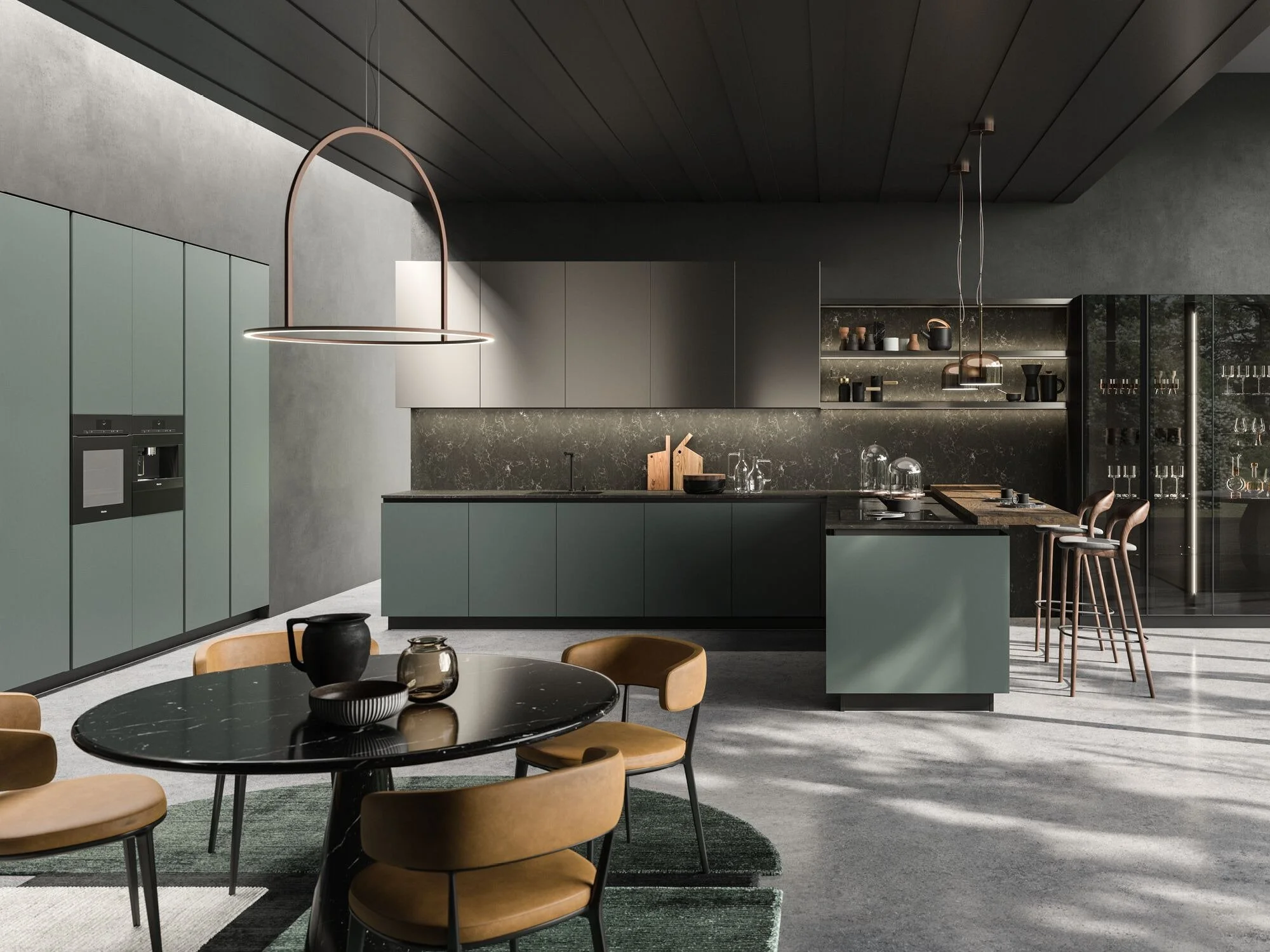
What Are Lineaquattro Kitchens for Property Developers?
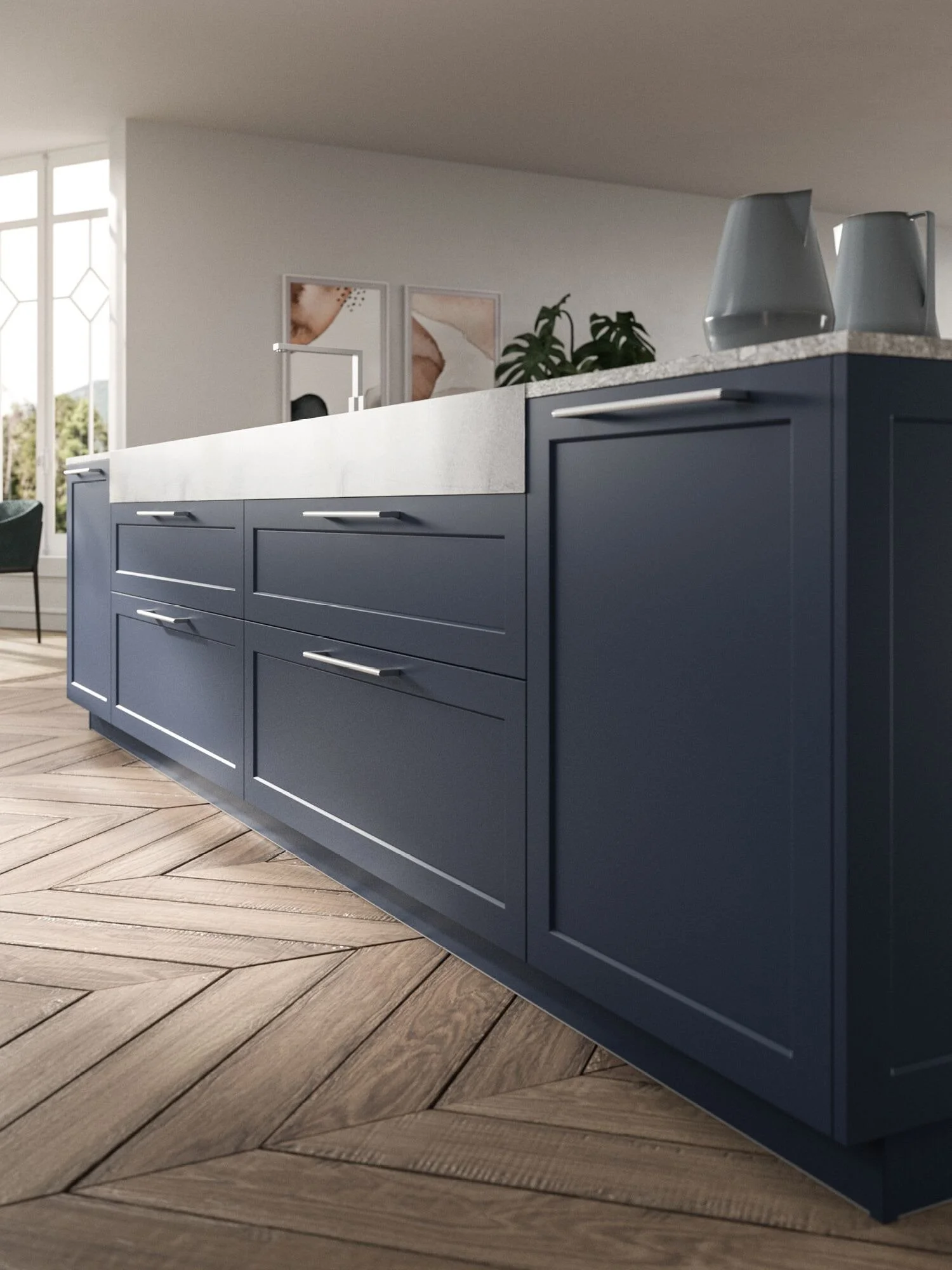
Lineaquattro is an Italian kitchen brand known for modular kitchens with a contemporary and essential design approach. Across its collections, the brand combines clean lines, refined finishes, and a strong focus on usability. For developers, that matters because a modular kitchen system can support consistency across multiple plots while still allowing room for variation between unit types or buyer packages.
In a property development setting, lineaquattro kitchens for property developers usually refers to using the brand within contract or multi-unit schemes rather than a one-off retail kitchen purchase. That can include apartment developments, luxury condominiums, townhouses, villas, mixed-use residential schemes, and design-led urban housing where the kitchen needs to work both visually and practically.
The brand’s contract positioning is built around Italian style, international project delivery, and competitive supply for construction-sector clients. Its wider range also shows flexibility in look and material choice, with collections including modern kitchens with islands, peninsulas, linear layouts, integrated handles, handled designs, wood finishes, laminate, HPL, porcelain stoneware, stainless steel, quartzite, and Corian-style surfaces.
Why Kitchens Matter So Much in Residential Development
Developers often compare kitchens by front appearance alone, but the real impact is wider than that. A well-specified kitchen can support stronger marketing images, better buyer reactions during viewings, and a more coherent interior design story across the scheme. It can also reduce friction later if the layout, storage, and finishes have been thought through properly at specification stage.
In many new-build homes, the kitchen is expected to do several jobs at once. It is a workspace, a storage area, a social zone, and often part of an open-plan living space. That means the kitchen needs to look good from a distance while also handling daily use. Developers who treat the kitchen as part of the wider architecture tend to get better results than those who view it as a standard package item dropped in late in the programme.
That design connection is one reason Linea Quattro stands out. Its product language is closely tied to architectural thinking, with an emphasis on proportion, structure, material choice, and how people move through space. For design-led developments, that approach can help the kitchen feel integrated rather than added on.
What Makes Lineaquattro Different?
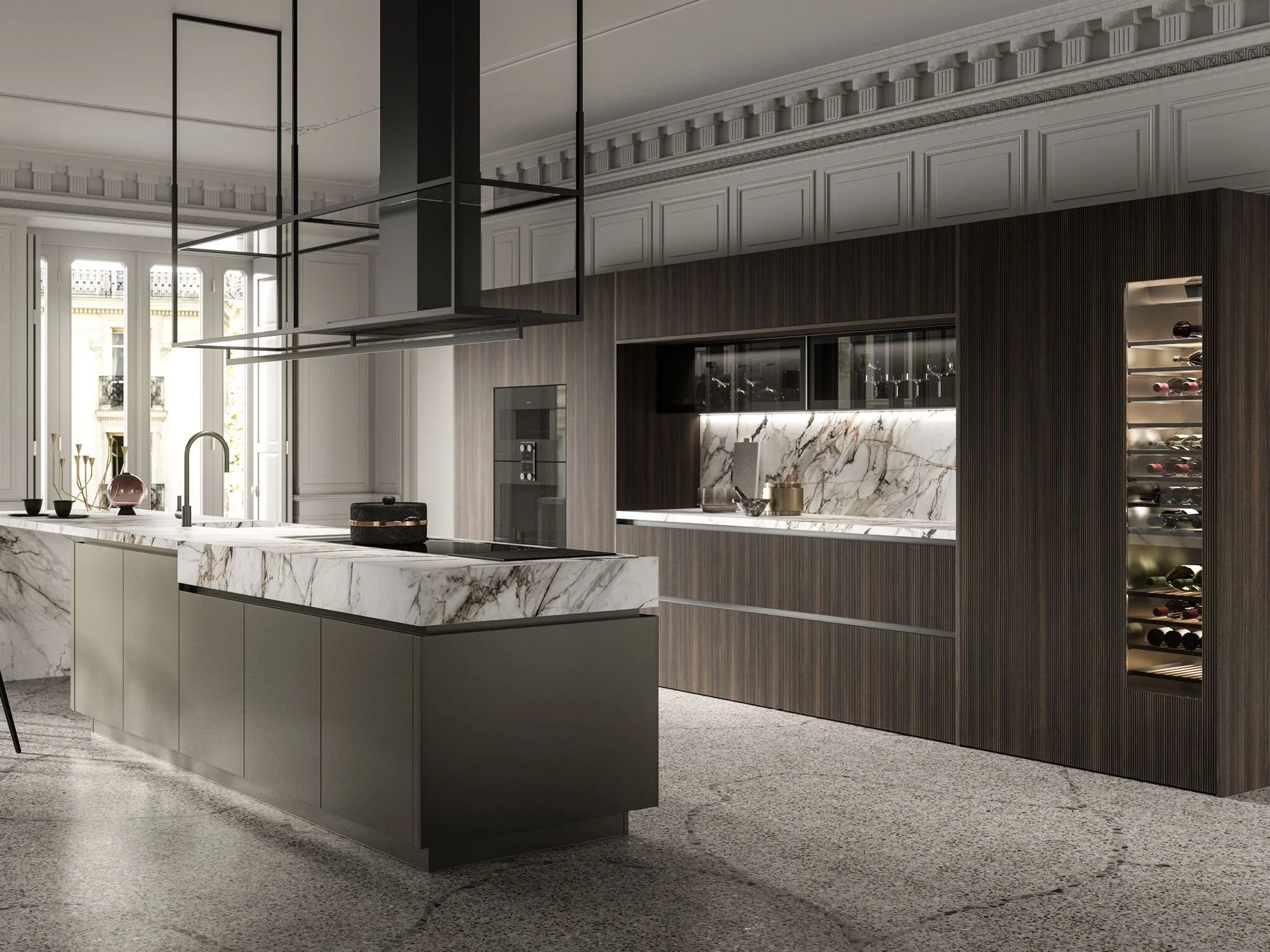
Many kitchen brands offer modern styling, but not all of them combine design flexibility with a contract-ready mindset. Linea Quattro appears to position itself around innovation, craftsmanship, modularity, and international supply capability. For developers, that mix is useful because attractive visuals alone are not enough on a live project.
One notable feature is the focus on ergonomics. The brand highlights the relationship between people, objects, and space, aiming to improve comfort and avoid awkward working positions. Its use of an advanced 13 cm module is presented as a way to create more capacious furniture and better worktop height options. In practical terms, that can mean better storage efficiency and a kitchen that feels more resolved in everyday use.
Another difference is the breadth of the range. Developers do not all need the same thing. A premium riverside apartment scheme may want stoneware, walnut, or stainless steel details for a high-end feel. A mid-market urban development may need a cleaner, simpler package with a strong value story and a durable finish. A good modular brand should make both possible without losing design consistency.
Examples of Lineaquattro kitchen styles and collections
The available ranges suggest that developers can specify kitchens that suit different buyer profiles and property types. Some collections lean more minimal and architectural, while others bring in warmer wood tones or more expressive material combinations.
Minimal and Frame for sharper, architectural modern schemes
Start and Astra for practical contemporary layouts
Opal Continua and Ambra for richer material expression
Tecnika Pura for sleek linear design
Arca for hideaway functionality in selected layouts
IN&OUT, Flag, Onda, and Quadra Linea for more distinctive material-led concepts
How the Contract Supply Process Usually Works
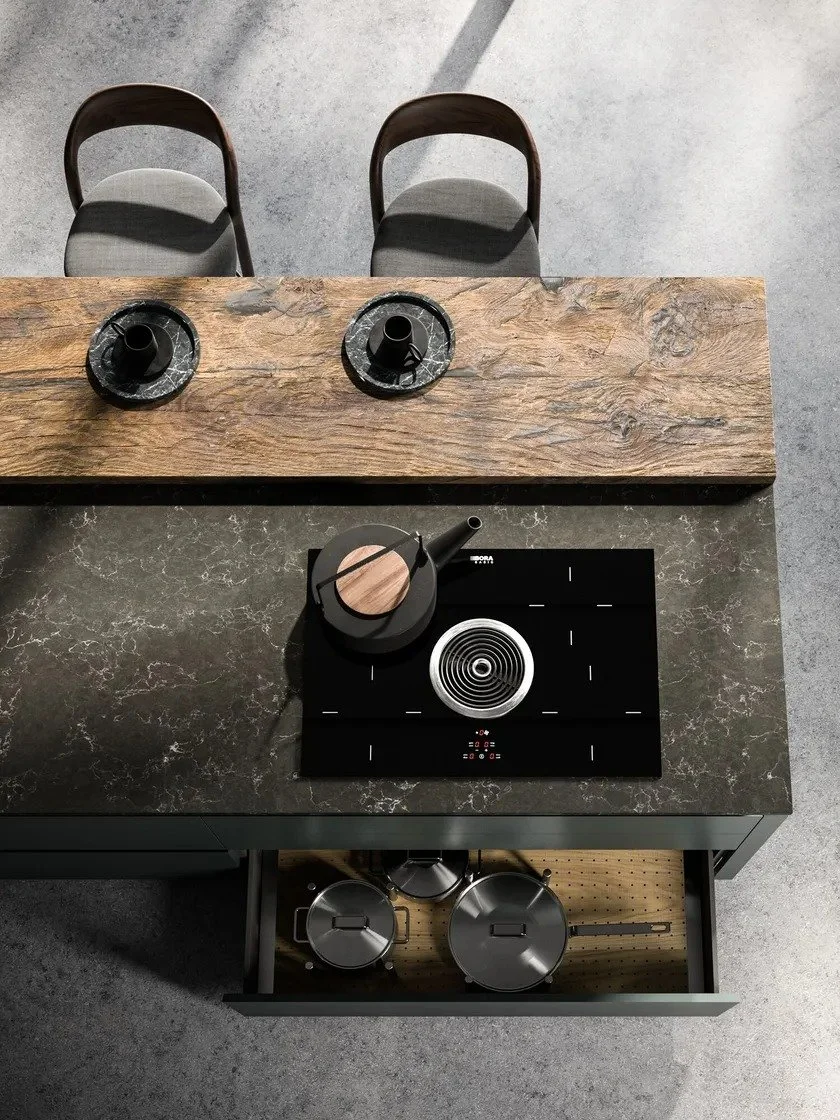
Developers researching linea quattro kitchens for property developers often want more than product details. They want to know how the process fits into a real build. A contract kitchen package needs to align with apartment mix, construction sequencing, utility positions, appliance specification, and handover deadlines.
While each supplier will structure delivery slightly differently, the broad process usually follows a familiar pattern. The developer, architect, interior designer, or kitchen specialist starts by matching the kitchen range to the target market and unit layouts. Then the team works through finishes, dimensions, appliance integration, worktops, storage options, and any upgrades for premium plots or penthouses.
After that, the project typically moves into technical coordination. This is where a lot of problems can either be avoided or created. Wall positions, service voids, extractor strategy, island clearances, and door swing space all need to be checked properly. On larger schemes, sample approvals and show-home sign-off may happen before full rollout.
Typical stages in a developer kitchen specification project
Initial design brief and project goals
Collection and finish selection
Layout planning by plot or apartment type
Appliance and worktop specification
Technical coordination with construction drawings
Budget review and value engineering if needed
Prototype or show-unit approval
Manufacture, delivery, and installation scheduling
Snagging and handover support
Which Types of Developers and Schemes Are a Good Fit?
Not every kitchen brand is right for every development. Some are better suited to volume housing with highly standardised packages, while others make more sense for boutique or premium schemes where design identity has a bigger role. Linea Quattro looks especially relevant where the kitchen is part of the sales story rather than just a functional necessity.
That can include developers building city apartments, waterside schemes, high-spec refurbishments, luxury condos, or townhouses aimed at buyers who notice material quality and design detailing. The brand’s project examples across London, the USA, and Korea suggest experience in international residential developments with varying layouts and buyer expectations.
| Developer or scheme type | Likely fit with Linea Quattro | Why it may work well |
|---|---|---|
| Boutique residential developer | High | Design identity and finish quality help support premium positioning. |
| Luxury apartment scheme | High | Architectural styling and upgraded materials suit high-value homes. |
| Urban townhouse development | High | Modular layouts can adapt to open-plan living and buyer expectations. |
| Mid-market private sale scheme | Medium to high | Works well where design quality is part of the sales appeal and budget is managed carefully. |
| Build-to-rent project | Medium | Can suit premium rental schemes if durability, serviceability, and cost stack up. |
| High-volume budget housing | Lower | May be less suitable if price pressure outweighs design and finish priorities. |
What Affects the Cost of Lineaquattro Kitchens for Property Developers?
One of the most common early-stage questions is price. Developers want to know whether an Italian contract kitchen brand automatically means a premium budget line. The honest answer is that cost depends less on country of origin and more on specification choices, scale, and project complexity.
For linea quattro kitchens for property developers, cost is likely to be shaped by the chosen collection, materials, number of units, appliance package, worktop specification, internal storage accessories, delivery logistics, and installation requirements. A compact linear kitchen in laminate with standard appliances is a very different proposition from a large island kitchen in walnut and stoneware for a penthouse.
Main pricing factors
Number of units in the development
Range and finish level selected
Island, peninsula, or linear layout
Worktop material such as laminate, quartzite, stoneware, or stainless steel
Appliance brand and integration level
Storage accessories and internal fittings
Project location and logistics
Installation complexity and programme timing
Need for customisation across different unit types
Developers should also think beyond the supply price. A cheaper kitchen can become expensive if it creates site issues, delays, poor buyer feedback, or frequent defects. In some schemes, spending more on kitchen quality helps protect sale values and reduces pressure to offer incentives later.
Common Misunderstandings When Choosing a Developer Kitchen Brand
At research stage, many teams make assumptions that cause problems later. One common misunderstanding is that all modular kitchens are basically the same. In reality, modular systems can differ a lot in ergonomics, finish quality, storage capacity, design flexibility, and how well they integrate into architectural spaces.
Another misunderstanding is that high design and practical performance sit at opposite ends of a spectrum. A well-developed system can support both. Clean, minimal kitchens still need to work for cooking, cleaning, storage, and movement. If a kitchen looks impressive in marketing visuals but feels awkward in person, buyers notice quickly.
There is also a tendency to judge by showroom impact rather than project suitability. A dramatic statement kitchen may work beautifully in one penthouse but fail in smaller one-bedroom apartments where space planning and cost control matter more. Developers need a specification approach that matches the scheme, not just a kitchen that photographs well.
Real-World Scenarios Where the Right Kitchen Choice Changes the Outcome
Imagine a developer creating a 24-unit boutique apartment block in a city centre location. The scheme is aimed at professionals and downsizers who care about design, but floorplans are compact. In that case, a brand with strong modular planning and a clean architectural look can help the apartments feel more premium without needing oversized rooms.
Now imagine a luxury development with a small number of high-value units. Buyers are likely to compare the scheme against custom homes, designer interiors, and imported finishes. Here, the kitchen has to support the full positioning of the property. Material selection, island design, and integration with living space become much more visible. A line such as Frame, Minimal, Ambra, or Opal Continua may make more sense in that setting.
On the other hand, a developer building a large entry-level housing scheme may decide that a simpler contract package is enough. That does not mean design stops mattering, but the commercial priorities shift. The right decision is not about choosing the most expensive option. It is about choosing the package that best supports the product you are actually selling.
When Should You Speak to a Kitchen Specialist or Contract Supplier?
Many developers wait too long to involve the kitchen specialist. By the time the team starts asking detailed questions, room dimensions may already be fixed, services may already be awkwardly positioned, and opportunities for better layouts may be gone. Early input usually leads to a smoother process.
You should speak to a specialist when you are comparing kitchen brands, reviewing apartment types, testing value-engineering options, or deciding how much variation to allow between standard units and premium plots. It also helps to get advice when your project has unusual constraints, such as tight footprints, open-plan living rooms, premium buyer expectations, or complex logistics.
A good provider should be able to discuss more than just doors and finishes. They should help with suitability, layout logic, pricing drivers, lead times, and how to align the kitchen package with your scheme’s design and sales strategy.
Frequently Asked Questions
Are Lineaquattro kitchens only for luxury developments?
No. They are well suited to premium and design-led schemes, but a modular range can also work in mid-market private sale developments where the kitchen plays a strong role in buyer appeal. The right fit depends on collection choice, finish level and the wider project budget.
Can developers use different kitchen styles across the same scheme?
Yes. A development might use one core kitchen package for standard units, then upgrade materials, layouts or detailing for corner apartments, duplexes or penthouses. This keeps a consistent design language while adjusting the level of specification.
Do Italian kitchens always cost more than UK alternatives?
Not always. Cost depends on the actual specification, project size, logistics and installation model. Some imported kitchens are premium priced, but others are competitive when bought through a contract route. Developers should compare like for like rather than assuming one origin always means one price level.
Why does ergonomics matter in a development kitchen?
Ergonomics affects how comfortable and useful the kitchen feels in daily life. Better worktop heights, sensible storage and improved movement around the kitchen can make a home feel more carefully designed. Buyers may not use the word ergonomics, but they do notice when a kitchen feels easy to live with.
What should developers ask a kitchen supplier before specifying?
Developers should ask about collection suitability, lead times, unit flexibility, material durability, appliance integration, installation support, pricing structure and experience with contract projects. It also helps to ask how the supplier handles multiple unit types, snagging and value-engineering without losing the design intent.
Are Lineaquattro kitchens suitable for international or mixed-market buyers?
They can be. Clean lines, functional layouts and material-led design often appeal across different buyer groups, which can be useful in city developments and internationally marketed schemes.
Final Thoughts on Lineaquattro Kitchens for Property Developers
Choosing a kitchen package is partly a design decision, partly a commercial one, and partly a practical project-management task. Developers need something that supports the feel of the scheme, works for everyday living, fits the programme, and makes sense on cost. That is why the best choice is rarely the cheapest package or the most dramatic showroom model. It is the one that fits the development properly.
For teams researching linea quattro kitchens for property developers, the brand appears to offer a strong mix of modular planning, architectural design, contract market experience, ergonomic thinking, and international project relevance. If your development relies on modern aesthetics, refined finishes, and a kitchen that adds real value to the space, it is a brand worth discussing with a specialist at an early stage.